2. More Than a Deep Dive: What a WWII Bomber Recovery Can Teach Us About Human Factors
When most people think about technical diving, they picture helium mixes, decompression schedules, and expensive equipment. Those things certainly matter, but anyone who has participated in a complex expedition knows that success rarely comes down to hardware alone. Instead, the difference between success and failure is almost always found in human performance. In my job we work in small, geographically differentiated, multinational, multicultural teams.Mission success and effectiveness depends on quickly creating and maintaining a functional team from diverse groups that is safe, and capable of achieving the mission goals.
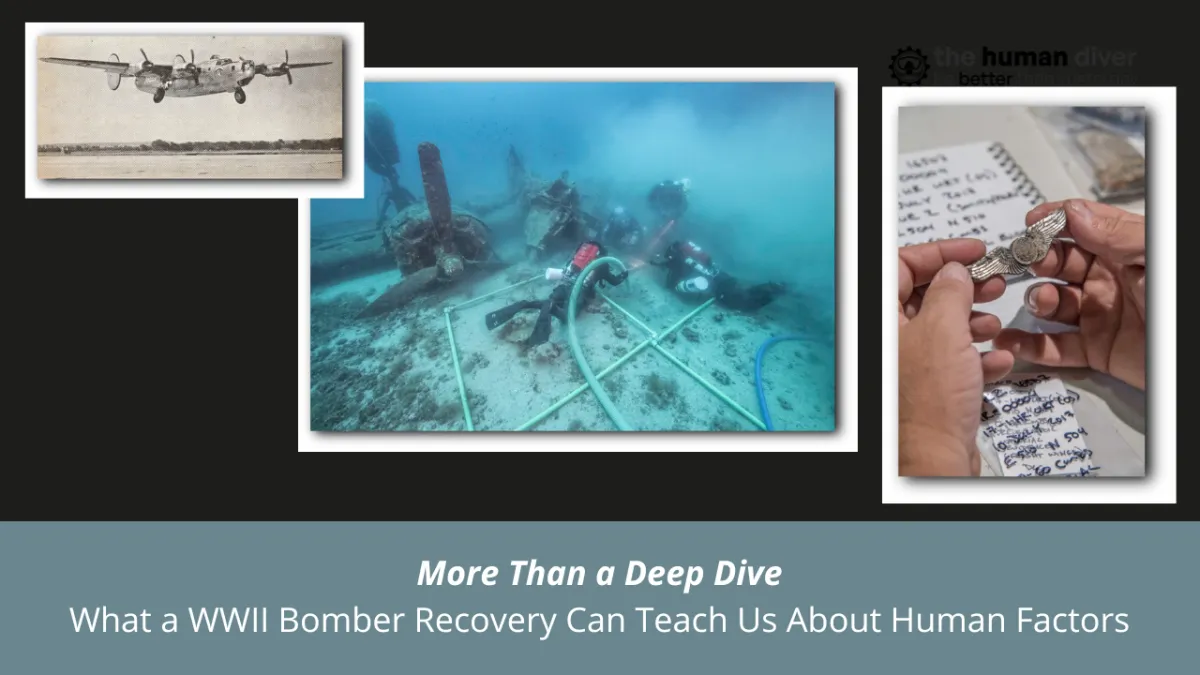
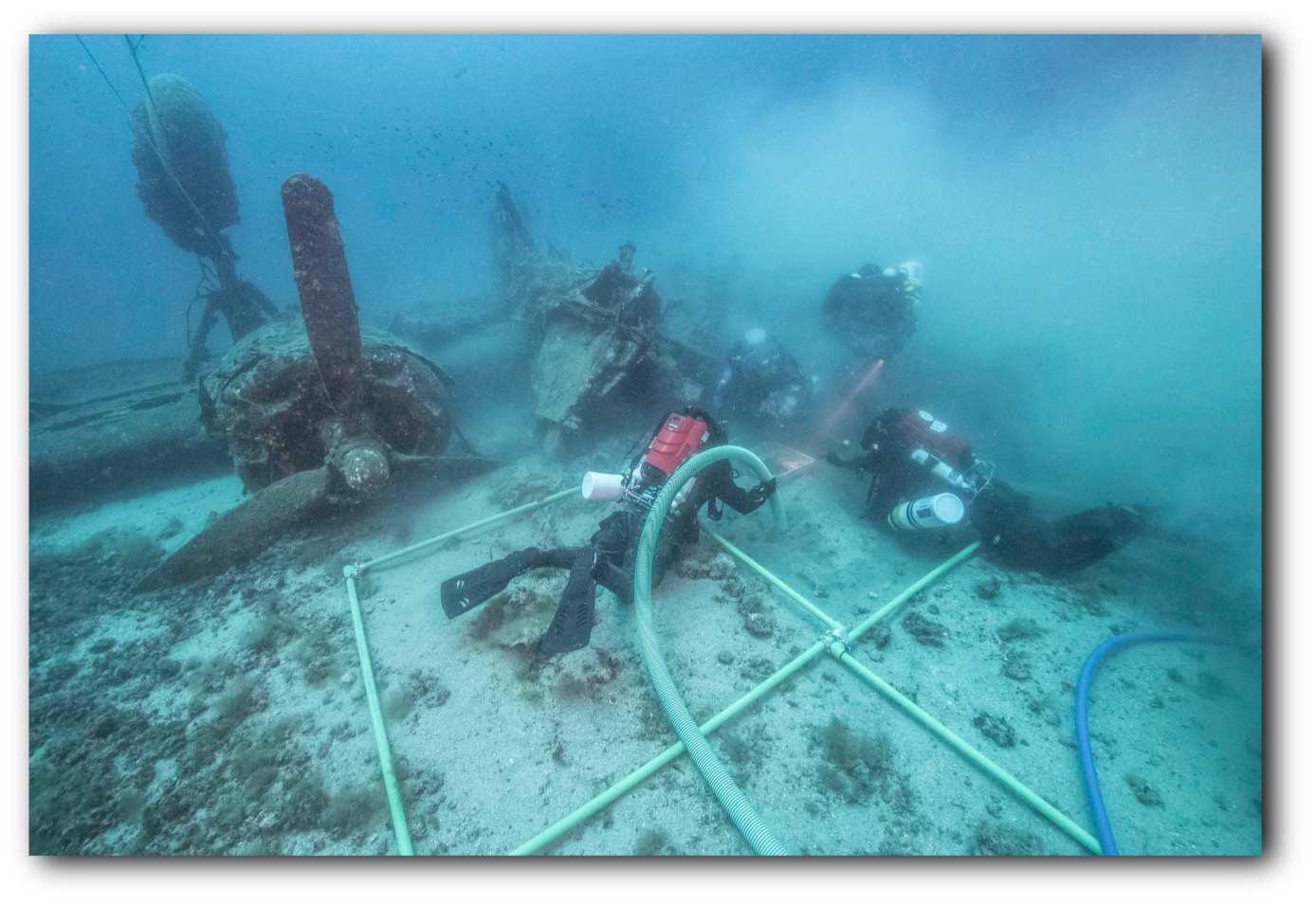
The recovery project involving the B-24 TULSAMERICAN off the Croatian island of Vis is a perfect example. On the surface, it was an underwater archaeology mission. In reality, it was a human factors exercise that happened to involve diving.
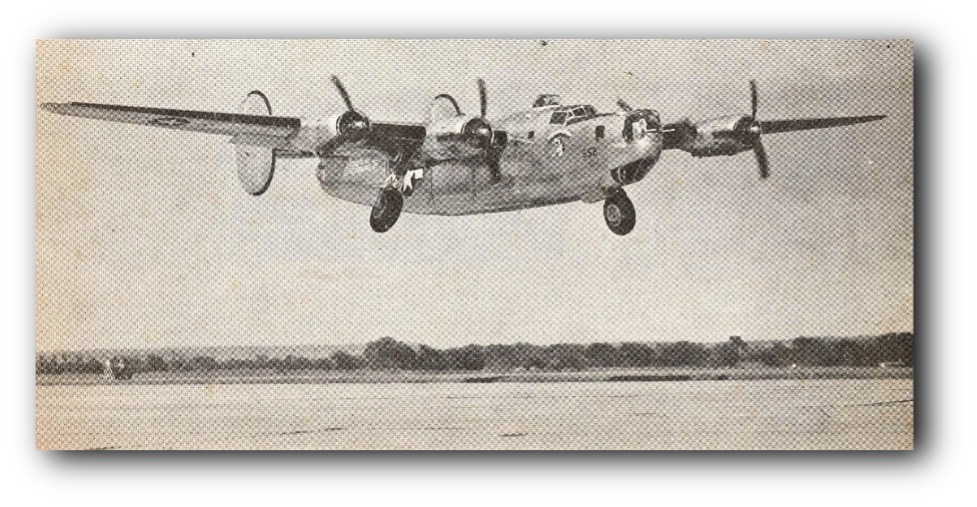
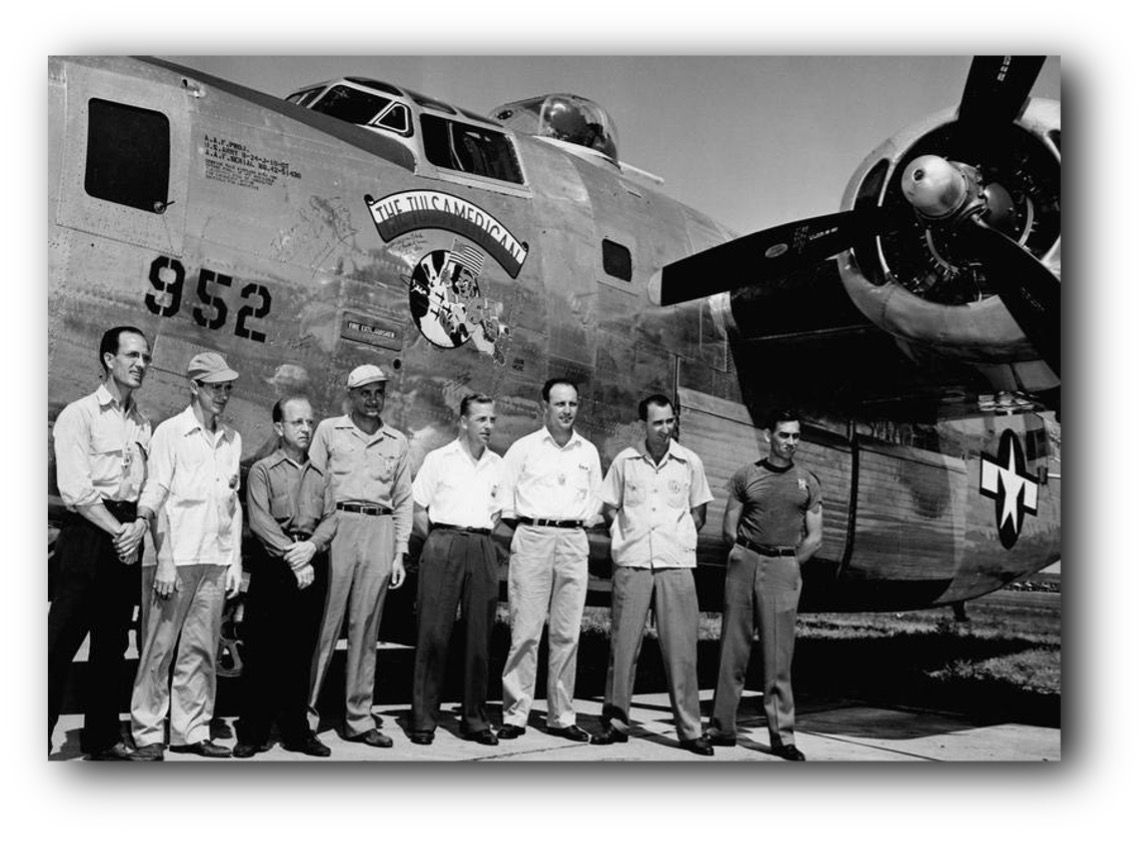
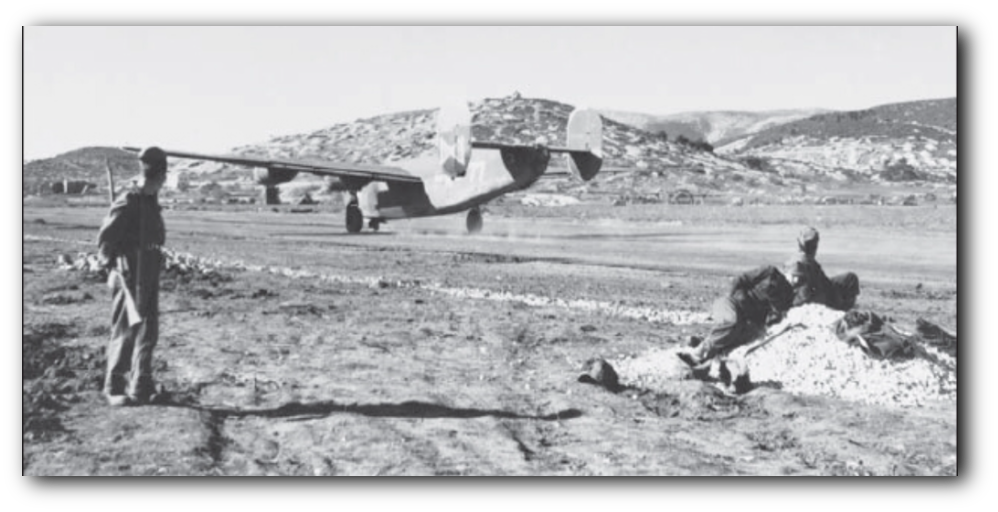
The TULSAMERICAN itself has an extraordinary history. It was the final B-24J produced at Tulsa’s Air Force Plant 3 and was funded by the factory workers themselves as a patriotic contribution to the war effort. During a deep penetration mission from an airbase in southern Italy to a petroleum refinery in Odertal, Germany on December 17 1944, the plane was attacked and badly damaged by German Focke Wulf 190 fighter planes.With little hope of returning to Italy the bomber attempted an emergency landing on an emergency airstrip on the island of Vis. After trying to land once, the bomber circled for another attempt when its remaining engines failed, and it crashed into the Adriatic Sea, killing three crew members- seven survived. For decades, the wreck rested in silence beneath the water.
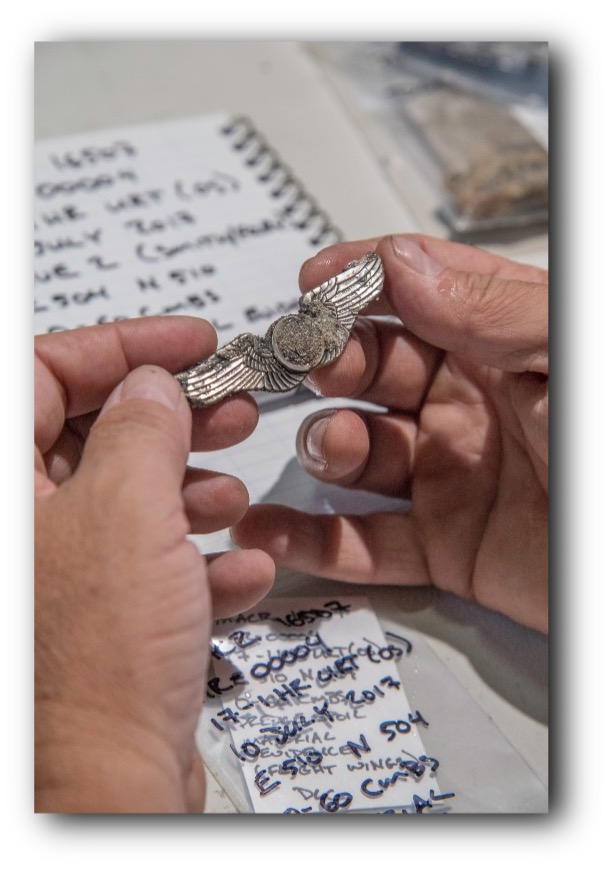
Recovering and documenting that site would require far more than simply putting divers in the water, and in 2017, the US Defense Personnel Accounting Agency- the arm of the US Military that seeks out and repatriates lost American servicemen from overseas- asked us to be part of a team to search for, and recover, the three missing airmen.If found, they would be returned to the United States and buried with full military honors.
Technical divers often focus on the mechanics of deep diving, but expedition projects like this demonstrate that planning begins months or even years before the first descent. Archaeologists, historians, local authorities, military agencies, vessel crews, and dive teams all have different priorities and perspectives. Integrating those viewpoints into a single operational plan is fundamentally a human factors challenge, and one that I have a lot of experience with.
Communication becomes as important as gas planning.
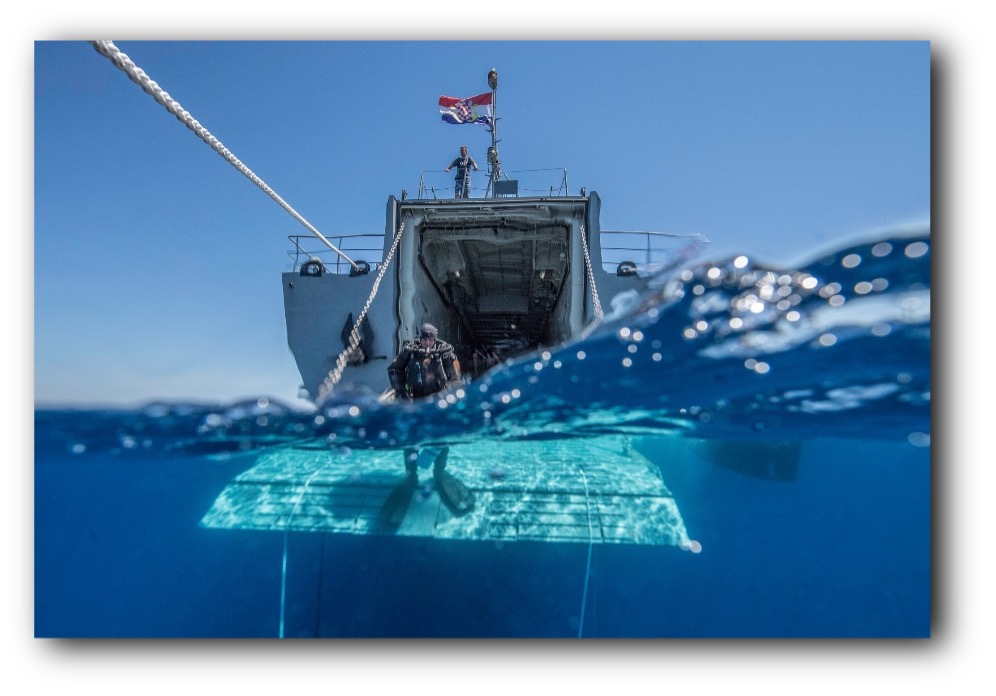
One interesting aspect of the project is that the dive profiles themselves were relatively conservative by modern technical standards. Working depths around 42 meters with bottom times ranging from 45 to 76 minutes resulted in decompression obligations that often exceeded an hour. Those numbers are manageable for experienced divers, but they create an environment where errors can compound quickly if attention, teamwork, or discipline begins to erode.
This is where human factors become visible.
A diver who forgets a tool, loses situational awareness, or becomes task fixated rarely creates an isolated problem. Instead, that error cascades through the entire team. Bottom time is consumed solving an unexpected issue. Gas reserves change. Decompression plans evolve and are exceeded. Surface support adapts. Every small mistake becomes a shared workload.
Experienced technical divers understand that teams don’t simply share gas—they share cognitive capacity.
Projects like the TULSAMERICAN recovery also illustrate the importance of mission clarity. The objective was never to “see the wreck.” It was to honor and recover the lost, document history, and support archaeological investigation. Those priorities naturally encourage disciplined decision-making because they place preservation above personal accomplishment.
That mindset serves divers well and the mixed, international team easily absorbed tasks and set their own goals and responsibilities once the mission had been clearly explained.
When individual achievement becomes the goal, divers are more susceptible to continuation bias—the tendency to keep pushing despite changing conditions. When the mission is larger than any one diver, aborting a dive or modifying a plan becomes a success rather than a failure.
Another lesson comes from workload management.
Technical divers routinely carry multiple cylinders, cameras, lights, reels, lift bags, survey equipment, and backup systems. Every additional task increases cognitive load. Human factors research consistently demonstrates that performance declines as workload increases, especially when unexpected events occur.
The best expedition teams recognize this and deliberately simplify operations whenever possible. Standardized equipment configurations, clearly defined responsibilities, and practiced procedures free mental bandwidth for solving the problems that cannot be anticipated.For us our briefs and tasks are structured in a way that a reasonably intelligent 8-year old child could remember and complete them.
Perhaps the greatest takeaway from projects like this is the value of psychological safety within the dive team.
On successful expeditions, any diver can question a decision, identify a hazard, or call for an abort without fear of criticism. That openness is not a sign of weakness; it is a hallmark of high-performing teams. History has shown repeatedly—in aviation, medicine, and diving—that accidents often occur when concerns remain unspoken.
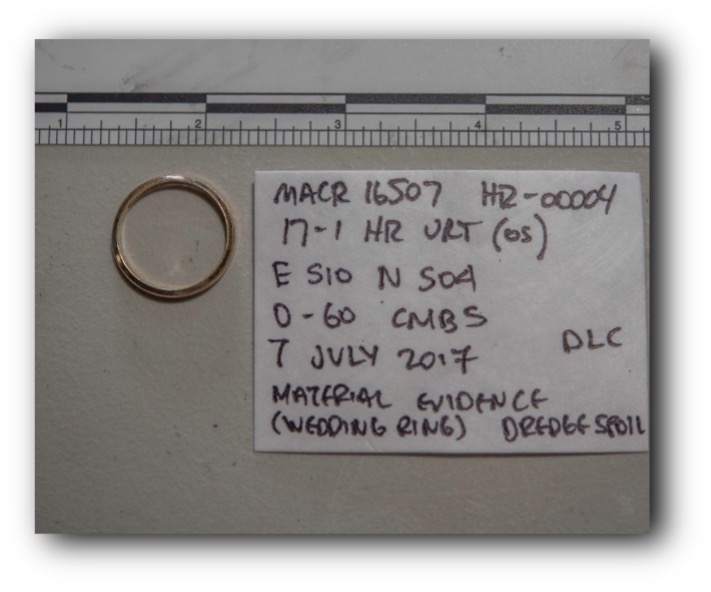
The recovery of the TULSAMERICAN reminds us that technical diving can be about much more than exploration. It can preserve history, provide answers to families, and honor those who never returned home.
Yet none of those goals are achieved through equipment alone.
They are achieved through communication, humility, teamwork, and disciplined decision-making—the very human factors that allow complex technical dives to be conducted safely. For those of us interested in both diving and human performance, that may be the most valuable item recovered from the seabed.