
9. The Herbs and Spices of Diving
I’ve got a friend who is renowned for their lack of cooking skills. She wasn’t the most natural cook so always started the easy way with a recipe. That's how most people start after all. She would look at the recipe, take out all the ingredients, prepare everything, miss out the ingredients and things they didn't have cuz you know who really needs herbs and spices (!) and she’d make her food. I’m sure you can see why her dinner invitations were often turned down. Much like British food in the Eighties, her food was rather tasteless and bland.
Over the years she practised and practised and slowly improved a little. She kept trying and her cooking got to the point where it was quite edible. Sometimes people would even occasionally risk having a meal that she’d cooked.
She still used the recipe books and if she forgot to buy exactly what she needed she wouldn’t be able to cook. She’d open the fridge door and stare at the fridge. She’d try and figure out what fit into her recipes. Often she’d give up and take a frozen pizza out.
She also had a housemate. He would stand behind her while she was looking in the fridge and say “I can make something out of that”. Not much later produced on the table would be this beautiful spread of the most mouth-watering food that smelt delicious and tasted even better. The housemate’s dinner invites were always very popular! But my friend could never understand how he could do this. The housemate never ever once opened any of the recipe books.
So she started talking to him. “I want to get better. I want to improve my cooking. How do I do that?” He told my friend “I can teach you some techniques and things.” Yeah sure great!
So he started teaching my friend all of these little techniques and tricks and they were all so minor. Things like use herbs and spices. Fry off the spices before you use them, or make sure that you've got the temperature right before you add the meat. Things that aren't really going to make much of a difference and yet my friend ended up producing some of the best meals she’d ever made. These little changes, these completely insignificant things, had a huge effect.
Ok, full disclosure, the friend is me. And yes, my cooking has got a lot better thanks to these tiny little changes but it still takes me twice as long as my housemate to produce dinner, and it still never tastes as good as his.
That's the difference between somebody who's really mastered something and a beginner. The ones who've mastered it. They make it look easy. You don't see half of what happens. You don't know what it is that they've done differently, but it's all those hundreds of tiny little things that end up making a huge difference.
So as we go through this blog, I want you to think about one question: what are the herbs and spices of diving? What are the tiny things that don't appear in standards manuals but make a huge difference to the outcome?
I've been teaching for 25 years. I started off teaching things like rock climbing and canoeing in the UK as a way of facilitating team building. I remember as a very young and enthusiastic instructor having this group of kids in front of me who I've got to teach team building so I thought back to what I’d been taught, what was in the manual. I said to the kids well to have good teamwork, you've got to have good communication so make sure you listen to each other. And to have good leadership you need to choose a good leader. To have good team work you need to collaborate. Over time, thankfully, I've learnt and changed, and one of the biggest changes has been learning how these little techniques apply, firstly in teaching, and then focused more on diving. The reality is that just like my journey learning to cook, you can’t just tell somebody step one, do this, step two do that, and step three, there's your team or your perfect diver. It’s the techniques, the tiny tricks and tips that make the big difference between a good diver and a great diver.
Teaching
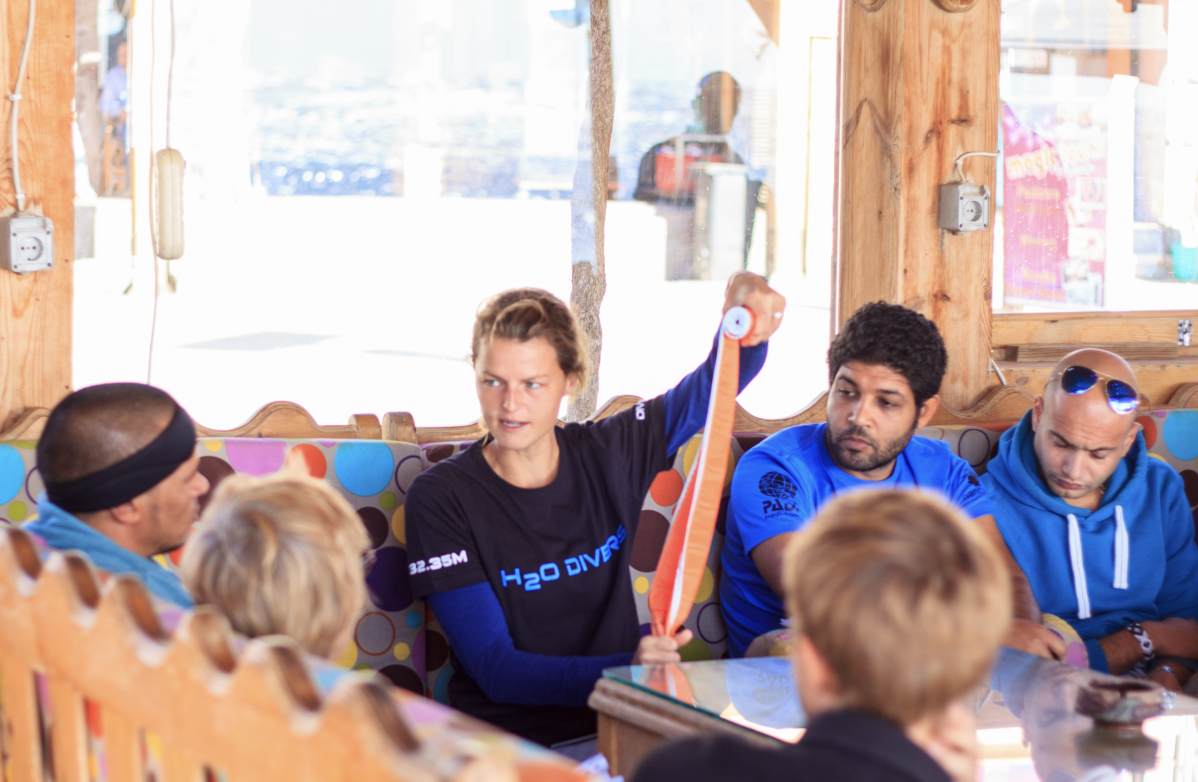
If we as a community can learn how to actually apply this within our diving framework we can see a shift from a bland, tasteless community to something everyone wants to consume. The easiest place we can apply this is in teaching. Hopefully those of you who follow this blog regularly and are familiar with this topic have already started to use some of the tips and techniques that we talk about. Instructing also puts you in the easiest place to use these tips and tricks. When a student turns up for a dive course, they’re expecting certain things. They’re expecting to learn, they’re expecting to make mistakes and they’re expecting their instructor to help them. They’re also expecting things like a good dive briefing. And this is one of the times you get to see the difference between good and great. We’ve all heard plenty of dive briefs. Get in here, get out there, signs we’ll use, turn around points etc. When we’re under instruction we’ll expect to hear about the skills we’ll be required to learn or demonstrate. In the HFiD: Essentials class we teach about a briefing model: UNITED-C. The U stands for “Understand task, goal or objective”. People often think that only amounts to making sure the student understands their task, but understanding expectations is a big part of it too. One of the big differences I’ve noticed between the good instructors and the great ones is that the great ones will set their expectations for the dive and for the student. Over the years I’ve narrowed this down to 3 points.
Number One- You’ll be expected to complete all the skills. And that doesn’t mean just barely do them, but do them comfortably, be able to repeat them and do them appropriate to the level being taught. Every open water student should be able to take their mask off while swimming around. That doesn’t mean they have to do it three times in a dive, especially in salt water where clearing a mask is uncomfortable for anyone! Ok, that one’s obvious. At higher levels, a great instructor will adjust (and let the student know) their expectations. So for tech courses, students should be able to take their mask off while hovering completely still. Again- sounds obvious. But when students are explicitly told that, they then start to understand what is expected of them beforehand. If they haven’t been told that, and a tech student manages to take their mask off and put it back on but only while swimming round in circles, then they may not understand why they haven’t passed.
Number Two- You (as a student) won’t embarrass me. By that I mean that it’s my name going on the cert card. In three years time, if the student rocks up to a dive centre, slaps that card down on the counter and asks to do a dive to the level that that card certifies them to, they’d better still be up to that level. So they need to practise. By the end of the course they’ll be the best they’ve been. Every day that goes by that they don’t practise will lower their skills. So if they want to remain at that level, they need to practise at that level. If they haven’t, it’s ok, they just need to be honest! They can tell the dive centre they need to do some refresh/shake out dives first. Otherwise the dive centre will look at my name on the card, shake their heads and wonder how I could have passed someone who isn’t at the level I’ve said they are.
Number Three- You (as a student) won’t kill yourself or anyone else. This is about attitude. By the end of the course the student will be certified to do certain things, in similar conditions to those that they were taught. If I think they’re likely to push those limits without further training, or encourage others to do the same, I won’t certify them. This last one is tricky because by telling someone that it would be easy for them to only say what they think you want to hear. But by listening to their comments and discussion during the course, you get a good idea of someone's true mindset.
So now the student has an idea of the general standards of any course, and these do apply to every level from Open Water to Advanced Trimix. There are challenges when teaching- slowing things down takes discipline, especially when you’re getting paid per person and course that you teach. There’s no incentive to slow down other than increasing the quality, and therefore your reputation. Putting ego aside to build psychological safety isn’t always easy. But the benefits outweigh those; when you miss something and a student reminds you it can save time and energy. It’s much easier to have a student tell you they’ve failed because they knew where the bar was for passing and have clearly seen that they haven’t reached it, than the other way round. I’ve had students thank me for failing them. That’s because they realise that if I’d have passed them I’m giving them a license to potentially kill themselves. Another benefit is creating a shared language, which makes communication much easier. Many years ago I had a student that just wasn’t quite “there”. I didn’t have the words to explain exactly what was missing, I just knew I couldn’t pass him. He kept doing things like swimming off, away from his buddy, or losing track of his deco status, or not being aware of the rest of the group while he was doing something like a gas switch, and swimming into everyone. Now, I have the language to explain that his situation awareness was not good enough, and that he needed to work on building his capacity to improve it. I would be able to give him some exercises to practise and let him see that he wasn’t at the level required as he was overloaded. As it was, it ended up with a very frustrated instructor, and an angry student.
Liveaboards
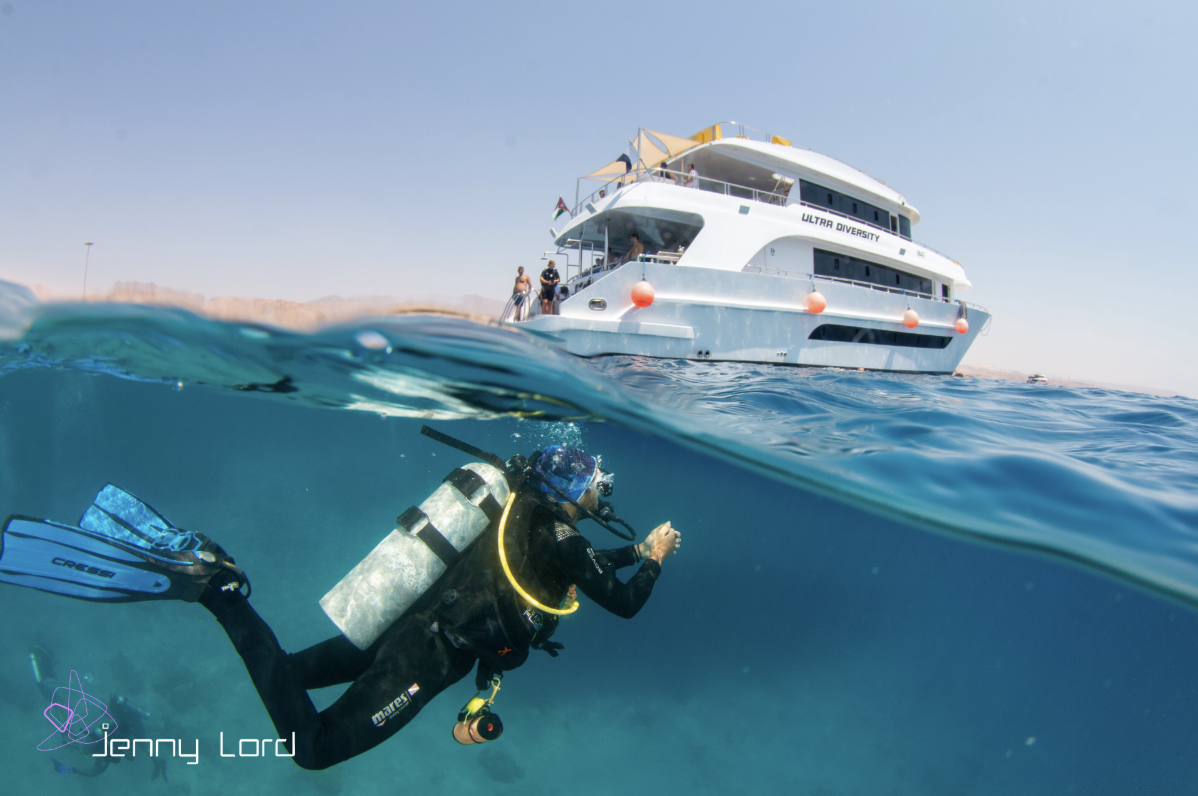
Another place where I’ve seen a change in the flavour of diving is on liveaboards.
I’m guessing if you’re reading this blog there’s a good chance you’ve either been on a liveaboard or would like to go on one at some point. Why do people go on liveaboards?
Mostly it’s for fun, as a holiday. That makes it challenging to implement some of the techniques we teach as people are in “brain off, holiday mode”.
We’ve run 3 human factors focused liveaboards so far, with Scuba Adventures who are based in Plano, Texas and run trips all over the world. The first one we ran we decided to keep it fairly simple; I’d give a short talk every evening about a different aspect of human factors and we’d try to implement debriefs throughout the week. It was challenging- not everyone wants to do something “formal” when they’re on holiday. We left the option open, people were welcome to join but it wasn’t mandatory.
Very quickly we ran into some problems. The debriefs ran on for too long, some people got bored, and so they stopped happening. I realised that debriefing is a skill, and to start with most people need guidance. I sat in on as many as I could to help facilitate them, and keep people on track. We also changed the format; rather than using the full DEBrIEF model, we settled on four questions: what went well and why, and what can I/we improve and how. It was all about using the right tool for the job and in this context a long, full debrief just wasn’t necessary.
A great example where this helped was after a night dive. During the dive, one of the group had decided to turn his torch off. One of the others (an instructor who was there on holiday) had been counting the lights periodically throughout the dive and noticed one was missing. He had a rather stressful few minutes (despite not being the guide, or “in charge” in any way) looking for his lost diver. After the dive things came to a head and the two divers ended up shouting at each other. One was angry that the other hadn’t realised how scary it was for him to suddenly lose a diver, and the other couldn’t understand why it was such a big issue. We sat down together and did a debrief. It ended up with each diver being able to share the others perspective and understand how the decisions they had made had made sense to them at the time. On other liveaboards, that dive might have resulted in a split on board, with people taking different sides. On this boat, it meant an alignment of mental models, an understanding, and a shared story for everyone else to learn from. A much better holiday environment for everyone!
On the second liveaboard we ran I happened to notice towards the end of one of the dives that one of the newer divers had a deco warning on her computer. I swam over to her, pointed at her computer and gave the problem sign. She looked at it, shrugged and gave the “I don’t know” sign. I stayed with her making sure she did all the stops she needed to do. I was frustrated that she had gone into deco as we’d been told at the start of the week that because this was a remote site we were to make sure we stayed within no decompression limits (NDLs). When we surfaced she asked me if there was a problem with her computer. I realised then that she hadn’t known she was in deco! She was very new to diving and had not been as deep before. I started explaining what had happened and what her computer was telling her while we were on the RIB on the way back to the main boat, and two other divers admitted to me that they had had the same problem! I had two choices at that point- I could shout at them for being idiots and not knowing a basic rule of diving, or I could help them to make better decisions in the future.
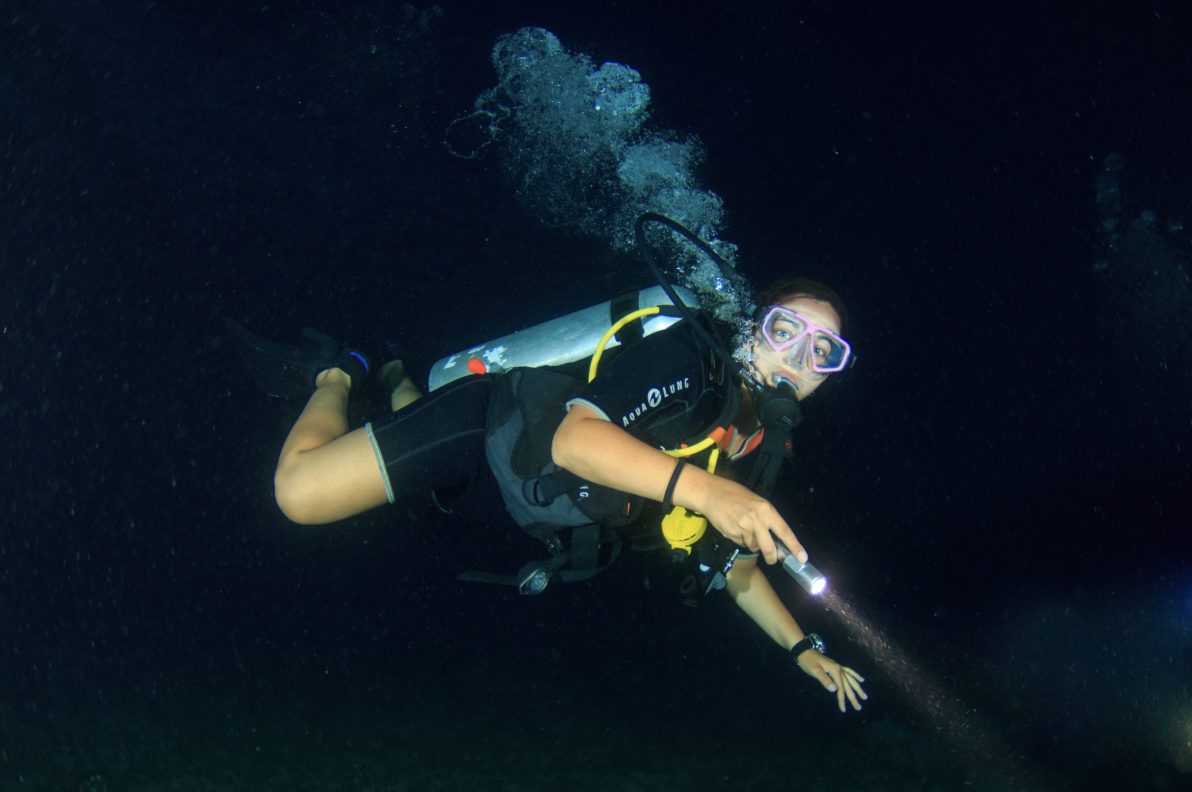
That night, rather than the human factors talk I had planned I did a presentation about decompression for recreational divers- what your computer shows you, how NDLs are calculated, how to avoid going into deco and best practises for keeping yourself safe, as well as what to do if you do find yourself in deco. The best part? When multiple experienced divers (and even an instructor) came up to me afterwards to tell me they’d learnt something. We’d built up such a good atmosphere of psychological safety that everyone seemed able to admit to things they didn’t know, and understood that we all just wanted to help each other be better. It meant we started to all act more like a team, helping and supporting each other without sacrificing our own fun dives. If anything, it made all of our dives better. We quickly eliminated the problem of people swimming into or on top of each other (something I have experienced a lot on other liveaboards), and those who used their gas faster were arranged so that they ascended with someone who had similar consumption, meaning no one had to end their dive early.
We also got the guide's perspective, something that’s often missed on liveaboards. This helped our understanding of the choices they were making.
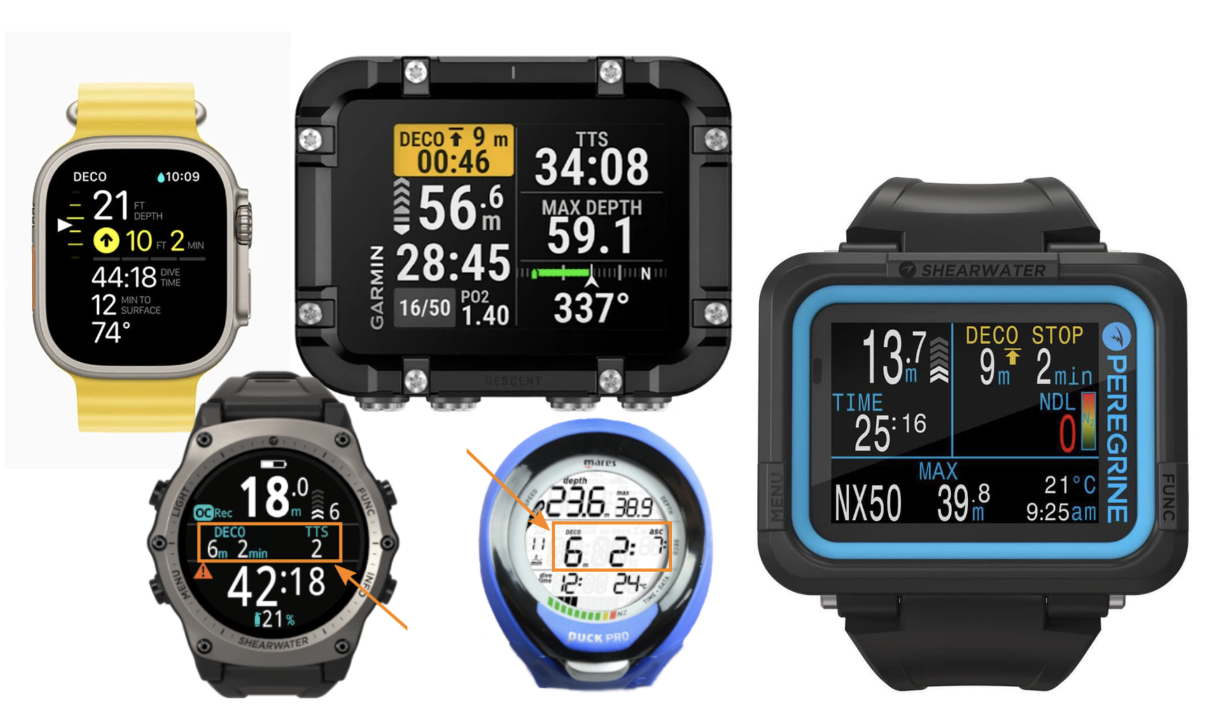
People don’t expect to learn while on holiday but when they do, they appreciate the added value. This also makes it easier to sell future liveaboards, because people start talking about the atmosphere on board and about everything they learnt.
Guiding
Most divers find themselves responsible for someone else underwater at some point, whether formally (as a guide) or informally (buddied up with a less experienced diver, or the most knowledgeable about an area). It can be difficult to apply the formal “tools” of human factors when people are in fun dive mode. The easiest tool we can use is a good briefing. It still doesn’t need to be the whole UNITED-C model as a step-by-step process. The more you use the model, the easier it becomes to add in all the points without anyone realising. Two of the most powerful points are U- Understand task, goals and objectives. The easiest way of building this into a briefing is simply to ask “what’s your goal for this dive?”. A lot of people will just say “have fun, see stuff” and that’s great. You also might get people who say “actually, I really wanted to get a photo of an anemone fish” or “I want to work on my buoyancy, can you give me feedback afterwards”, and those are the people who might have otherwise missed their goal because nobody knew about it.
The other powerful point is I- Identify resources, risks and threats. A great question to ask is “What is the most likely thing that could go wrong on this dive?”. When you know the answer to that, you can look at ways of dealing with that threat, rather than having to come up with solutions if the problem occurs.
As on the liveaboards, debriefs give you loads of information to help make the next dive better. Again, they don’t need to be formal, the four questions I mentioned above work really well. You can even ask “what did we do well together and what can we change to make next time better?”. This adds in a team aspect and gets people thinking about others in the group (or even just their buddy). It’s a great way to help people improve gently. Not everyone wants to treat every dive like a training dive (that can quickly suck the fun out of diving), so this is a chance to give people things to think about without it being formal “coaching”.
Fun dives
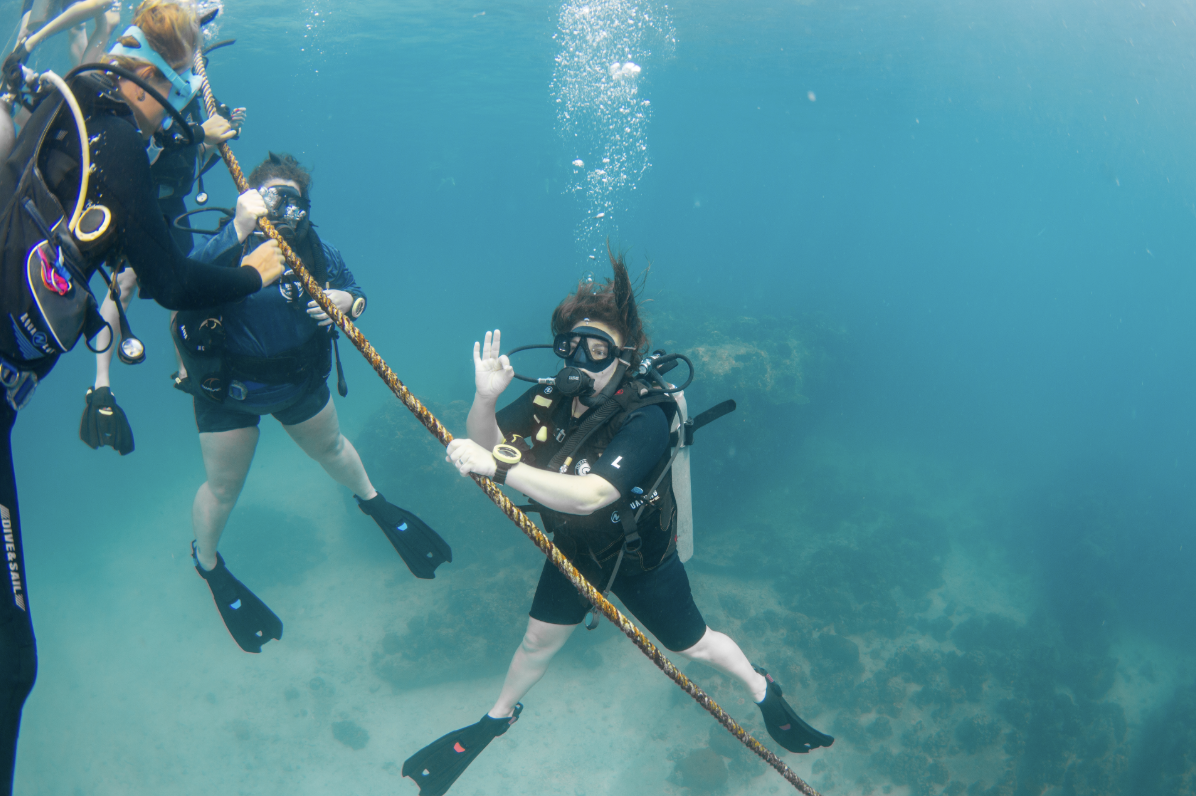
Finally, let's look at fun dives. The most common type of dives most of us do, these are the dives where you’re just diving with a friend/familiar buddy or you are the customer. Ironically, these are probably the hardest dives to implement these techniques. You might not be formally “in charge” (there may not be anyone designated as the leader, or you might have a guide who is in control). This means you might not be in a position to give the briefing and it can often be like herding cats trying to get everyone together (especially with a group of very experienced divers or even worse…. instructors!). This means basic things like buddy checks might be cursory at best, or skipped at worst. This is the time we need to be flexible. It’s incredibly difficult to stand up to an experienced diver (especially if you have less experience) and get them to stop and do a buddy check when they’ve decided they don’t need one and are in a hurry to get in the water. In these cases, I focus on the priorities- is my gas on and does my regulator and BCD work? I hold my gauge up to my buddy and declare how much gas I have, then breathe through my regulator to check it. Then I inflate and deflate my BCD while saying “my BCD inflates and deflates”. It’s amazing how many times while I do this my buddy looks slightly surprised and then mirrors exactly what I’m doing, even more experienced buddies. I’ve now checked my life support systems. If I jump in the water without my fins, computer, weights or mask it might be a bit embarrassing, but I’m unlikely to die. Sure, there are plenty of things I don’t know, such as how to dump my buddy's weights or what safety equipment they may be carrying but doing a buddy check imperfectly is better than doing no buddy check perfectly! I’m not advocating for skipping buddy checks. I am conscious that it would be easy for normalisation of deviance to start sliding in and to stop doing full buddy checks at all (because nothing has gone wrong with my reduced buddy checks, so why do I need full ones?!). When I have more control or there is greater psychological safety I make sure we are all doing full buddy checks, this is just a way of doing something rather than nothing during the times when it’s difficult to challenge others.
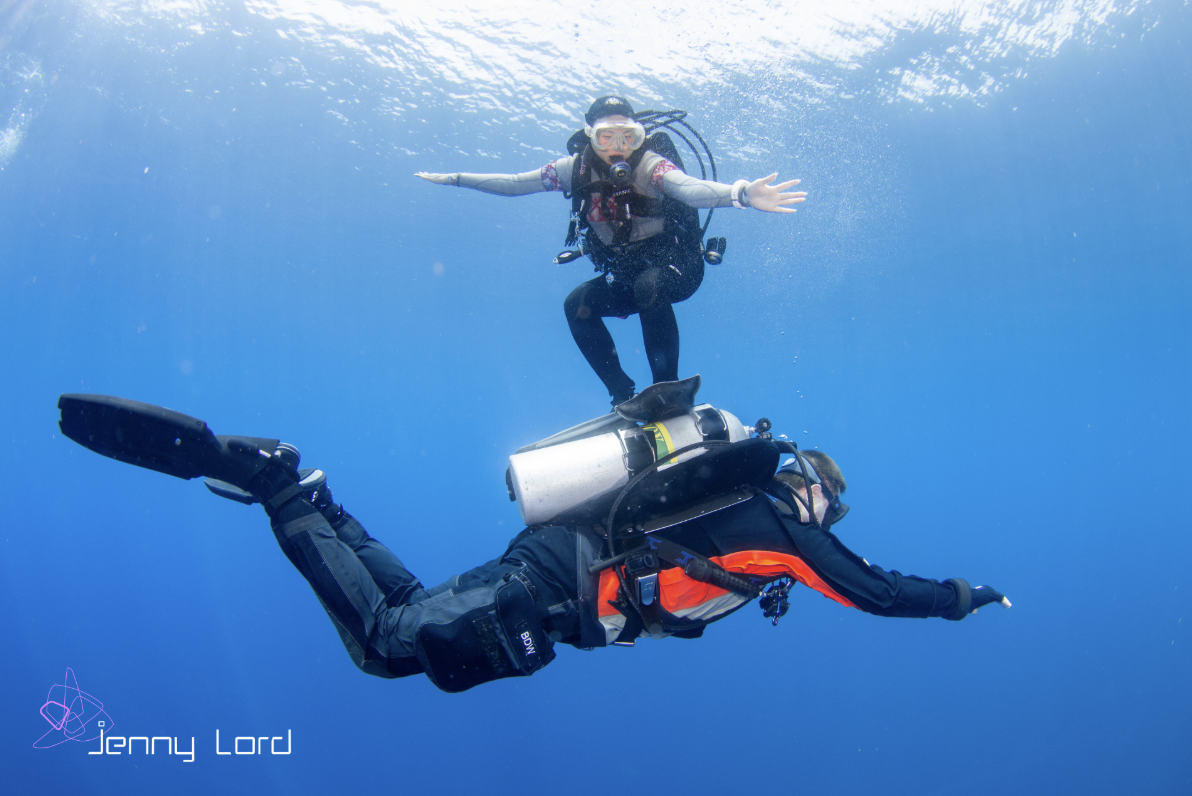
The hardest group of all to dive in is a group of dive pros. It’s easy to assume someone else is in charge, everyone has their own plan in their head and basics like buddy pairs aren’t assigned, which normally means no one is looking out for anyone else. Even just asking everyone what their goal is for the dive will give you a lot of information about the way everyone is likely to dive and give you a clearer idea of what might happen underwater.
The strongest tool I have in these situations is 3 lemons. Many people are familiar with 3 strikes- three things go wrong and you call the dive, no matter where in the process. Lemons are a little different. They aren’t every little thing that goes wrong, they are anything that raises your stress level. Lemons are specific to each individual, and can change according to the situation. Most days a blown o ring for me wouldn’t be a lemon. I have plenty of spares, so switching one out isn’t a big deal. But on a day where I’m already running a little bit late and I’ve forgotten my spares box, it might become a lemon. What might be a lemon on any dive for me might not bother you at all. What lemons give me is an easy way of judging my own mental state. I will mentally count lemons as they happen. It takes good self awareness to recognise them, or even better a team who knows you. When I’ve introduced this concept to buddies in the past, if something goes wrong they’ve asked me, “is this a lemon for you?”. Equally I’ve had a buddy look over a crowded dive deck at me and say “One lemon!”. It’s a great short-hand for keeping track of each other's mental state.
Summary
It doesn’t matter how much we know, putting it into practice with buddies or teams who aren’t familiar with human factors is challenging. It’s the little changes that make the biggest differences: doing a good briefing- setting expectations for the dive (3 caveats) and making sure everyone knows what to do when things don’t go 100% to plan; recognising the benefits that outweigh the challenges when it comes to slowing things down and putting ego aside; making communication easier by having the language to communicate exactly what you mean and having a shared language with your buddy. Doing a good debrief, to share mental models and create understanding of how things made sense, help add flexibility because you know what to do if things don’t go 100% right, with less judgement and more understanding.
It’s about making the tools work for you, in the environment you’re in, rather than trying to shoe-horn in tools and skipping bits as a result. Remember, doing something imperfectly is better than doing nothing perfectly. Checking for lemons helps to understand stress levels and gives a hard “no-go”, meaning decision making is easier.
These are the herbs and spices of diving. Adding them in can make the difference between a good dive and a great dive, because knowing better isn’t the same as always doing better.


