
LFEO Applied Skills
Learning from Emergent Outcomes. A working investigation toolkit.
Two days · in-person · $350 — or four half-day online modules.
For instructors, instructor trainers, dive leaders, club officers, technical divers and adjacent professionals who read incident reports as part of their wider work — and want the LEODSI/PETTEOT toolkit.
The Human Diver builds training, language and community for the divers and dive professionals who refuse the bad-apple narrative.
Built for the 1% — not the 99%.
The diagnostic
Does this sound like you?
You read incident reports as part of your wider work — and you are tired of the ones that end at "diver error".
You run, lead or sit on the safety committee of a club, agency, or institute.
You investigate diving incidents — formally or informally — and want a working toolkit.
You already have human factors vocabulary in place and want the investigation-and-learning layer.
If any of those land, you are in the right place.
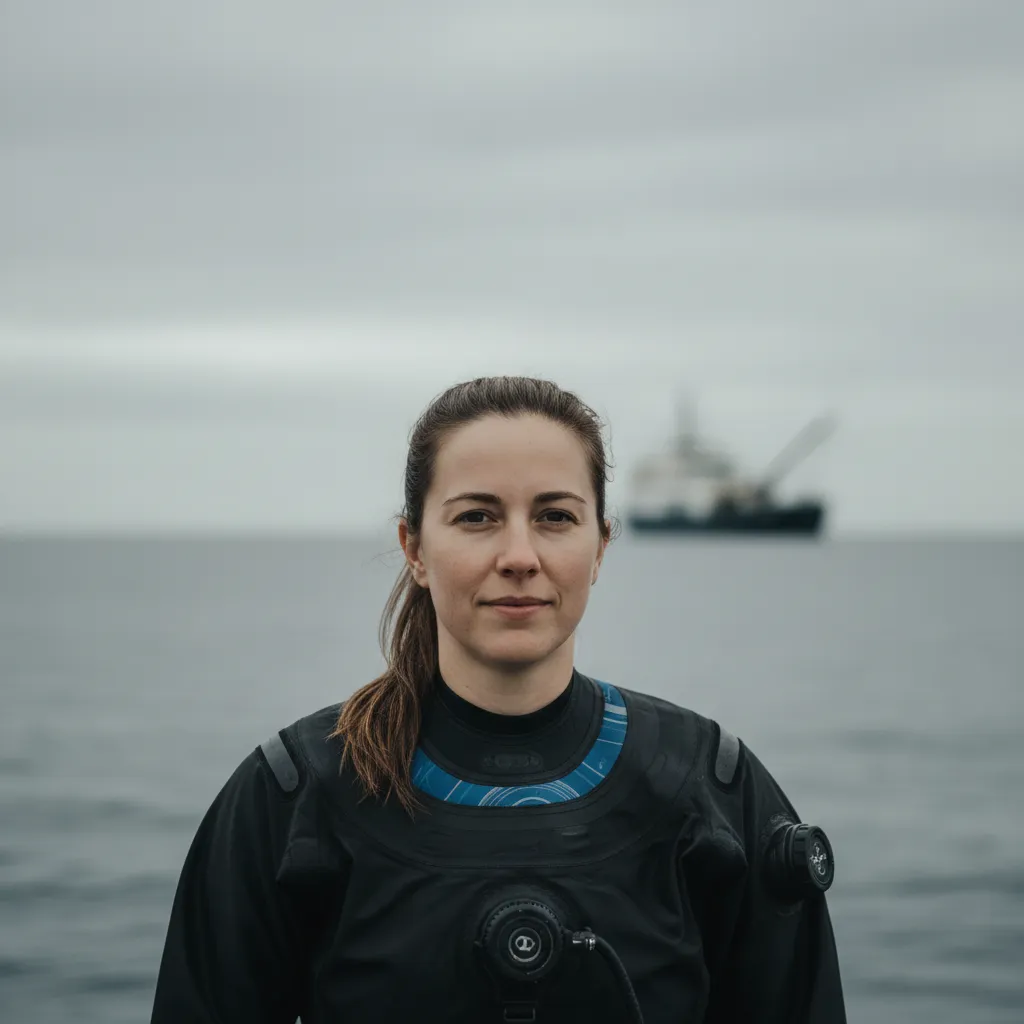
“Before this programme I thought I understood why diving incidents happened. Afterwards I realised I had been looking at the wrong thing entirely. The shift in how I now brief, debrief, and respond when something goes differently to the plan is not subtle — it is fundamental.”
[Name]
Technical Diving Instructor, [Country]
Sector: Technical Diving

“We have had safety consultants before. Gareth is not a safety consultant. He changed how our entire leadership team thinks about what an incident actually tells us. Our near-miss reporting increased by over forty per cent in the six months after the programme.”
[Name]
Head of HSE, [Organisation], [Sector]
Sector: Corporate and Industry

“The best keynote I have seen in fifteen years of conference attendance. He did not tell us what to think. He gave us a framework we couldn't unsee.”
[Name]
Conference Chair, [Event Name]
Sector: Speaking and Keynotes
What you take away
A working method for asking better questions after diving goes wrong.
LFEO is what makes the difference between an incident report that reaches a conclusion and an incident report that produces learning.
The four modules
The investigation toolkit.
Module 1
Why Outcomes Emerge
The foundations of systems thinking in diving.
We start by challenging the most common assumption in diving safety: that accidents are caused by individual error. The reality is more interesting — and far more useful.
By the end of Module 1, you'll understand why "human error" is a label that stops learning rather than starts it — and what to ask instead.
Module 2
The LEODSI System
Seeing the whole system, not just the last act
This module introduces PETTEOT — the seven system elements that shape every outcome in diving: Person, Environment, Tasks, Tools and Technology, External Influences, Organisation, and Time.
These aren't a checklist. They're a way of building a complete picture of the conditions that made an outcome possible, and of finding where the real leverage points for improvement are.
Module 3
Getting to the Work as Done
How to have the conversations that actually generate learning
Learning doesn't happen automatically after an incident. It happens when the right people are in the room, psychological safety is present, and the right questions are being asked.
This module introduces the Learning Teams process — a structured, facilitated approach to understanding how work is really done and where the gaps between Work as Imagined and Work as Done create risk. We cover the seven phases of a Learning Team in full
Module 4
Telling Stories. Building Cultures.
From individual analysis to organisational learning
The final module addresses the hardest part of any safety improvement effort: making learning stick.
We look at how to communicate findings in ways that drive change rather than compliance, how to abstract learning from one event so it benefits the wider team, and how to build the kind of debrief culture where reflection is normal rather than exceptional.
Pricing
LFEO Applied Skills
Learn why outcomes emerge — and build the skills to understand, analyse, and influence a change in the conditions that lead to adverse outcomes.
LFEO Applied Skills
$350
Two days in-person · or 4 × ½-day online · same certification
Full LEODSI / PETTEOT toolkit
Learning Teams facilitation practice
Same certification across both formats
Bridge access into the practitioner community
Regional pricing on request
Our promise
100% money-back guarantee.
Work through the course. Do the exercises. If you have given it a fair effort and it has not changed how you think about diving — we will refund you in full. No forms, no friction. The guarantee is meaningful because the work is meaningful.
FAQS
Questions, answered honestly.
Is HFiD: Essentials a prerequisite?
Strongly recommended. LFEO assumes the human factors vocabulary is in place. If you are coming from another industry — aviation, healthcare, oil-and-gas — you will already have most of the prerequisites. Q3 2026 there will be a LFEO: Essentials programme released.
Two days vs four half-days online — what's the difference?
Same content, same certification, same access.
The two-day in-person format goes deeper on practice because we use practical and experiential tools. The online format suits people who can't take consecutive days off work. The key learning will be the same though.
Who is this NOT for?
If you are still building the basic human-factors vocabulary, start with HFiD Essentials first. LFEO is built for the investigation-and-learning layer specifically.
Be better than yesterday.
LFEO is the topic spine that the rest of the catalogue does not cover. If your work touches incident review at all, this is the layer that changes how you do it.
The humaN DIVER
Be better than yesterday.
Human factors, non-technical skills and learning from emergent outcomes for the divers who refuse the bad-apple story.
programmes
The humaN DIVER
© 2026 The Human Diver. All rights reserved.
Built for the 1%