
Be Curious, Not Judgemental
How Human Factors techniques can turn Judgement into Learning
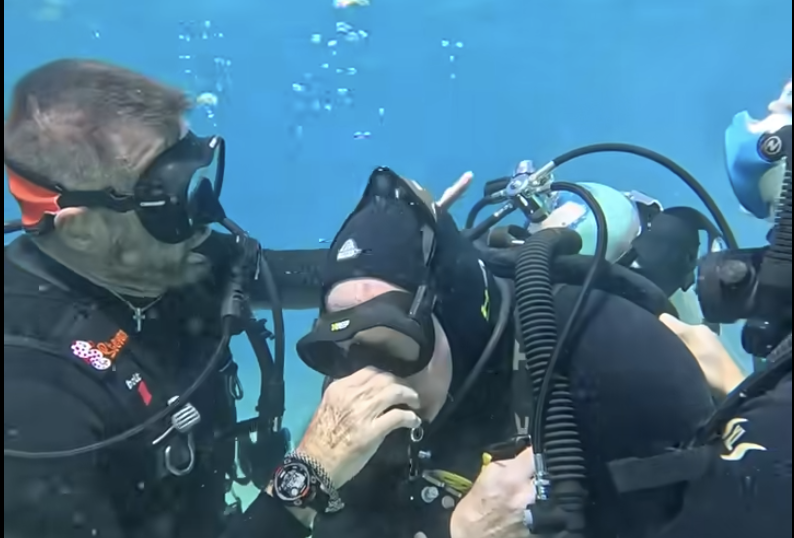
I recently posted a short video on my dive centre’s Facebook feed that generated a huge number of negative and borderline abusive comments. The video was of me simulating being a quadriplegic diver during an SSI Classified Diving instructor course, with some other divers replacing my mask whilst keeping me safe and stable in the water.
Classified Diving and Adaptive Scuba
To provide some background, “Classified” is what SSI calls their adaptive scuba programme. I initially found this term a bit odd, but it is actually a very innovative way to offer diving to people with disabilities. The initial assumption is that divers can perform all skills until discussions or pool sessions reveal the assistance required. Divers are then “classified” based on what assistance they require. This could vary from needing help with equipment on the surface, to requiring two trained buddies plus an instructor to manage all aspects of the dive. It also allowed me to respond with “I can’t tell you. It’s classified” when asked about the “classified instructor” entry in our group diary, which was nice.
I was already a Diving for All Instructor with BSAC, and other terms for this type of training are Scubility (SDI), Adaptive Techniques (PADI) and RAIDaptive. There are also specialist organisations and charities such as Dive Pirates, Deptherapy, Diveheart and The Handicapped Scuba Association, although the “H” word is not the preferred modern term for adaptive divers. Another powerful motivation to get involved is my military background, having served In Afghanistan and Iraq and raised funds for injured veterans.
Negative Comments
Some of the more egregious comments on the video, which can be viewed at this link, were:
“It doesn't do any good to learn how and practice someone helping by put your mask on you. … learn to do it yourself.”
“They need to learn to do that them selves cause if no one is there to help then what?
"If you need help to put on a mask, will you be able to clear it?"
"Hahahaha show some better videos that is positively in knowledge or just make more jokes like this"
"The goal is to do that on your own"
"Sorry but this is getting ridiculous. If you can’t care and save yourself, you can’t help your buddy if they get in trouble. This is so dangerous"
"How the f**k can your mask fall off in the first place ffs"
This sort of negative reaction is far too common within the online diving community, especially from those who lack context, complete information, or direct involvement.
Psychological Safety and Just Culture
This links in closely to some Human Factors principles that are not emphasised nearly enough in the diving industry, but can be implemented relatively quickly in dive teams with a deliberate shift in mindset. Specifically psychological safety and just culture.
Psychological safety is the shared belief that it is safe to ask questions, admit uncertainty, and speak up without fear of ridicule or blame. Curiosity is one of its foundations. Judgement, especially when it is public and confident, erodes it rapidly. When people see others criticised for outcomes rather than engaged about context, they learn a simple lesson: better to stay quiet. This blog has some top tips for how instructors and dive teams can implement psychological safety: Top Tips
Just Culture encourages us to replace “Who messed up?” with “How did this make sense at the time?” That shift requires curiosity. It requires us to accept that behaviour is shaped by context, pressures, experience, information available, and human limitations. Social media, however, tends to reward the opposite. Fast reactions, strong language, and certainty are amplified. Thoughtful questions rarely are.
The problem with judgement is not that it is “unkind”, it is that it actively blocks learning. Once we label a decision as stupid, reckless, or obvious in hindsight, the conversation ends. There is nothing left to explore. Curiosity, on the other hand, opens the door to understanding how decisions are actually made in real, messy, time-pressured environments.
This is exactly the same dynamic we see in teams that struggle with safety and performance. When leaders or peers respond to events with judgement, people stop sharing weak signals, doubts, and near misses. When curiosity is the default, people are more willing to explain what they saw, what they felt, and why they chose a particular course of action.
Online spaces are no different. Every comment sends a signal about what kind of culture exists. Curious questions such as “What information did they have?”, “What constraints were in play?”, “What would I have done with what they knew at the time?” invite dialogue. Judgement shuts it down. Being curious does not mean avoiding challenge, disagreement, or accountability. It means challenging ideas without attacking people, keeping an open mind and being conscious of our biases.
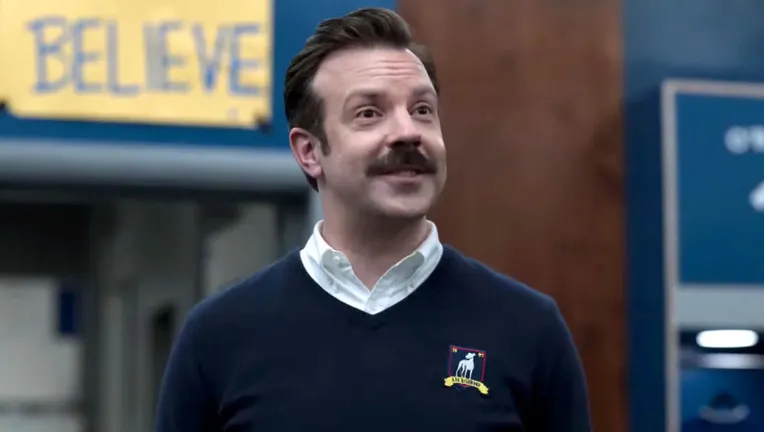
If we want safer teams, better decisions, and stronger communities, the habit to practise is simple but not easy: slow down, ask questions, and stay curious. Every interaction is a chance to reinforce psychological safety or quietly undermine it. Returning to the excellent Ted Lasso: “Be Curious, not judgemental”.
The online Essentials and the “in person” Applied Skills classes from The Human Diver cover how employing these principles can improve your diving. You can sign up for Essentials at this link:HFiD: Essentials. Applied Skills classes take place regularly all over the world, and you can see the scheduled classes here: HFiD: Applied Skills. If there is not a class near you, get in touch with the Human Diver team and we can make it happen. You can alsocheck out the YouTube channel or visit the website to start your journey into Human Factors in Diving with this introduction blog.