
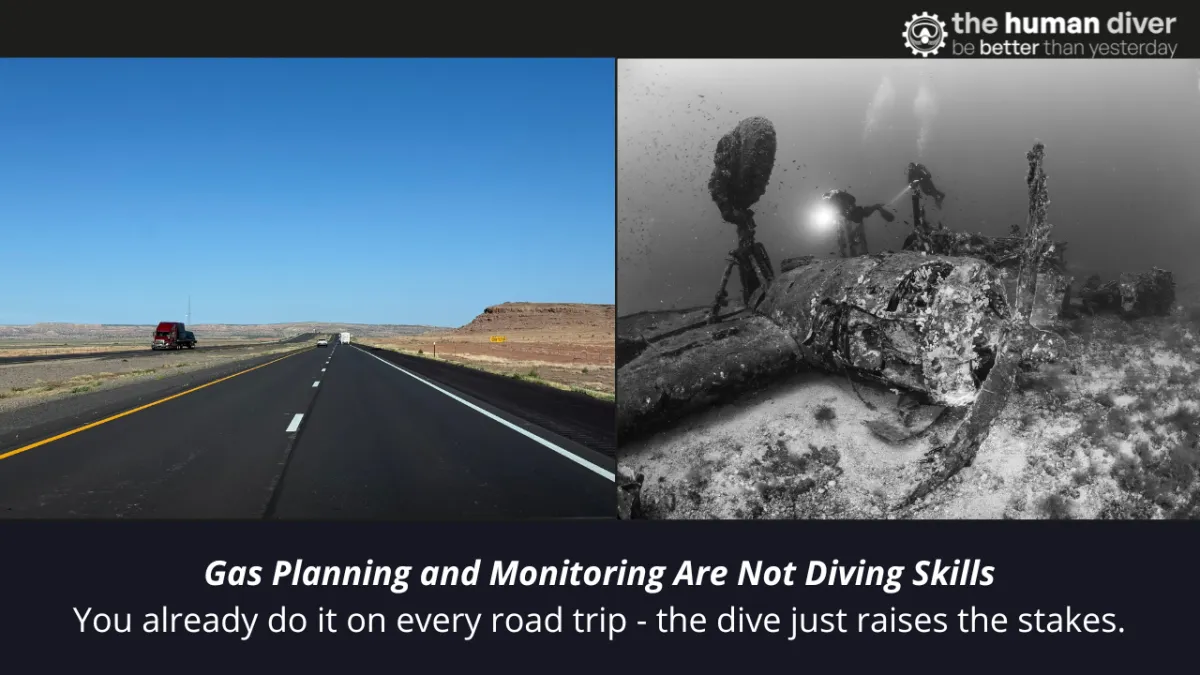
Gas Planning and Monitoring are Not Diving Skills
We recently conducted a cross-country drive from Washington, DC to Phoenix. Two cars, one of them electric, my wife, our two kids, and me. First cross-country trip in the EV. Somewhere on day three it hit me that we were doing gas planning — or rather, that we'd stopped doing it, and we were paying for it all afternoon. Gas planning underwater isn't a specialist skill. It's a specific case of a life skill most of us already use, and we notice it fastest on the day we skip it.
What gas planning actually is
Strip the arithmetic away and gas planning is three decisions made on the surface, before the dive. Turn pressure is when we stop swimming away from the exit. Ascent pressure is when we start up, regardless of what's left down there. Abort pressure is when the dive ends early because something changed.
The 500 psi we agree to have left at the boat isn't the plan. It's the margin the plan protects, and the plan is what we do before we get anywhere near it. The same idea shows up any time we plan around a finite resource under pressure — the reserve in the fuel tank, the state of charge in an EV, the buffer in a bank account, the daylight left before we need to be off the road. Numbers set on the surface do one thing above all: they take the decision off the diver at depth. Decide once, out loud, as a team, and all that's left underwater is to honor it. That's decision-making and communication in two sentences — not complicated, just easy to skip.

The trip that made me see it
We'd planned the drive carefully before leaving the driveway. Every stop was mapped, and overnights were chosen so we'd arrive before dark. We also set a rule for the EV: arrive at each charging stop with no less than 20% of the battery still in the vehicle. That was our reserve. That was our margin. If a charger was out of service, if a stop was full, if the weather or a detour pushed us further than planned, that 20% was what let us divert without a crisis. It was the exact same idea as 500 psi at the boat, in a different domain and with a different unit of measure. Days one and two went well. But the reality was we were running the day off four different apps at once, flipping between them at every stop to keep the picture together. Our capacity to absorb a surprise was almost nothing, but the plan carried us, so we didn't see the problem. That's the point worth pausing on: when the plan is working, it looks like nothing is happening, and that's exactly when we stop noticing it's the plan doing the work.
Day three we started late and figured we'd just keep rolling. No sit-down look at the day. No debrief of days one and two. No brief of day three. The day came apart in slow motion. We stopped more than we needed to, charging didn't line up with fuel, and fuel didn't line up with meals. On days one and two we had arrived at every charging stop at or above our 20% floor. On day three, because we were out of sync and reactive, we rolled into a couple of chargers well below it. Nothing bad came of it, and that's the point — the margin absorbed a problem we didn't know we were creating. We also ended up stopping more times than we would have if we’d taken two extra minutes at each stop to ask each other ‘what do you need’ before getting back on the highway. We got in late, tired and crabby. We hadn't broken any of the day-one rules; we'd stopped applying them. The plan hadn't failed; the planning had.

That night my wife looked at all of us and said: "We had too many stops, which took too long today. We need to get better in sync." That was the reset. Anyone on the team could have called it — she did. That's ownership, not who's at fault, but who takes responsibility for alerting the team back to the plan. We debriefed the day with no blame, just what happened, where we came apart, and what we assumed that wasn't true. A just-culture debrief in plain clothes. Nobody was the problem; the absence of a plan was. It worked because everyone — including the kids — could say what they'd needed and hadn't gotten, without being told they were being difficult. That's psychological safety, and on a dive team it's the diver who says "I wasn't comfortable on that last dive" without paying a social cost for saying it.
Then we planned day four the way we'd planned day one, and we briefed it out loud so everyone had the same picture of the day. Day four was smooth. Same people, same interstate. What changed was that the plan was shared again and the roles understood again. By day four we'd also narrowed the four apps down to one that gave us everything we actually needed in a single glance. And by day four we were back to arriving at every charger at or above the 20% floor. The margin was back.
The translation to diving
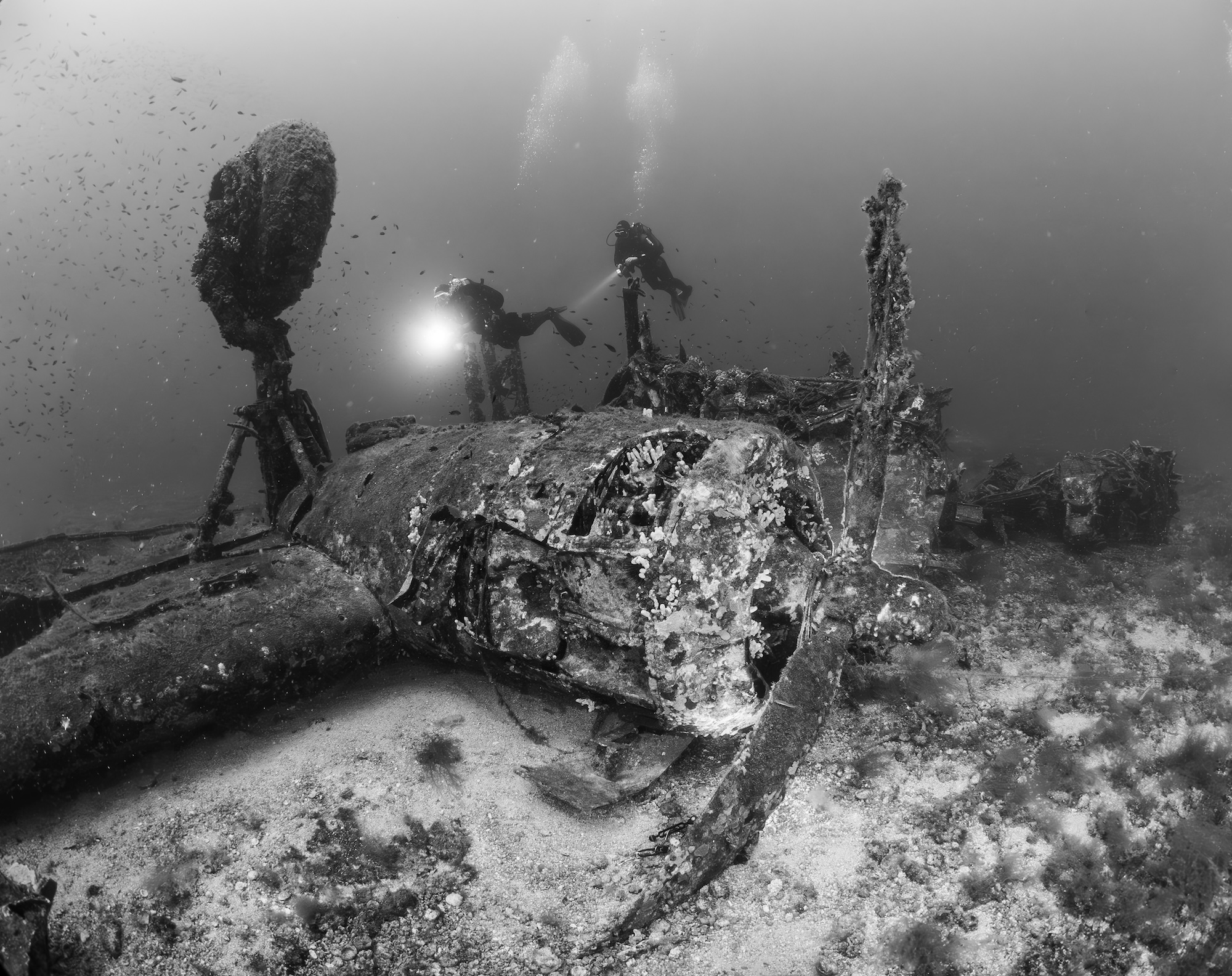
This is what a dive team looks like on day three of a dive trip. Same boat, same buddies, same site. "We're good, let's just splash." Same conditions — except they aren't. Someone's tired, someone changed a cylinder size, and the plan is assumed rather than made. Situational awareness has narrowed to whoever's need is loudest at the moment, decision-making is reactive — solving the next twenty minutes and not the next four hours — and nobody's steering, because the group feels fine right up until it isn't. The failure mode on a dive trip is almost never dive one; it's dive four.
Capacity: the resource the plan protects
Every skill worth naming here runs on the same finite resource. Attention. The mental room to notice something and act on it. When that resource is spent — on four apps, on unfamiliar gear, on a novel checklist under time pressure — there's nothing left to notice the thing that actually matters. Day one of our trip, our capacity was almost gone. Day four, one app and a settled rhythm, and a real reserve of attention was available. When something did shift during the day, we handled it and the day didn't come apart.
Same on the dive. New kit or new site or new team or new gas — each one costs capacity. Stack them on one dive and there's no attention left for a gas check, for a buddy who's drifting, or for the quiet cue that says something isn't right. Capacity building is deliberate. It's simplifying, so there are fewer displays and fewer bespoke procedures. It's practicing the routine until it doesn't cost thought. It's consolidating the tools, so one dive computer well understood beats four half-known ones. And it's changing one thing at a time — new kit or new site or new team, not all three on the same dive. The last piece is team fluency: buddies who have briefed and debriefed together many times generate capacity for the whole team, because their coordination stops costing attention.
That's also where the teamwork stage matters. Every team — a dive team, a road-trip team, any team — moves through forming, storming, norming, and performing. On day one of our trip we were forming. On day three we were storming, without recognizing it, because the plan had hidden the seams. When the reset happened and we debriefed, we were norming. By day four we were performing. A dive team on a week-long trip goes through the same arc, and if we assume we've skipped straight to performing because dive one went well, we're usually wrong. That's why the brief matters on dive one, on dive four, and on dive twelve. A plan protects the margin. Capacity building protects the plan.
The museum
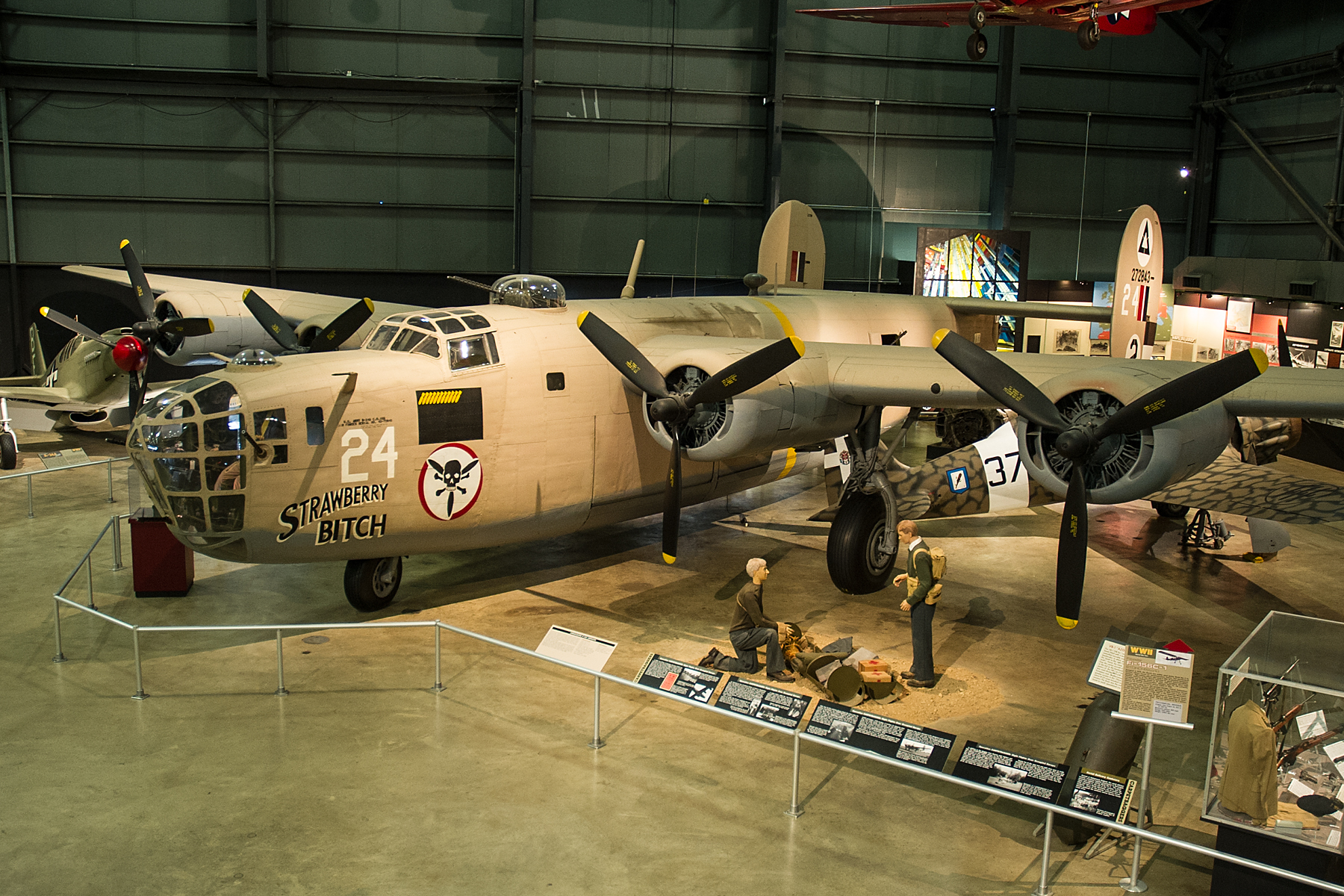
On the same trip we stopped at the National Museum of the United States Air Force. Ninety minutes on the schedule, and the museum deserves days. At the end of the ninety minutes, standing near the B-24 Liberator, we wanted one more thing — all of us did. We left anyway, because staying to see one more thing would have cost the next thing: dinner, safe roads, arriving before dark. That's the same pressure that shows up underwater. On a wreck or a reef there's always one more thing, and staying to see it costs the margin. The answer to "one more thing" isn't "no" — it's "next dive." The item doesn't get abandoned; it gets scheduled. Leadership in that moment isn't authority — it's being the person willing to say the plan out loud when everyone else, including yourself, wants to bend it.
Money's worth
The other pressure on the dive isn't the sight — it's the gas itself. We paid for the fill, we paid for the charter, and it feels wasteful to surface with usable gas in the cylinder. It isn't. Unused reserve isn't wasted gas; it's the gas that bought us the option to solve a problem we didn't predict. That's what we paid for. And that gas doesn't belong to the diver holding the cylinder — it belongs to the team. It's the gas that lets us donate to a buddy or handle a surface swim in current. Ownership of the reserve is a team question, and the internal question changes from "am I wasting my gas?" to "am I protecting our margin?"
What all of these have in common
Strip away the specifics and every one of these — the road trip, the museum, the dive — sits on the same discipline. The limit is set before the pressure to break it exists, so turn pressure is decided on the boat and not at depth, and departure time is set before we fall in love with the exhibit. The margin is the point, not the leftover; it's the room to solve a problem we didn't predict. "One more thing" is the failure mode, not the reward, because the pressure to extend is usually enthusiasm or sunk cost rather than new information. New information can change a plan; enthusiasm shouldn't.
The unfinished thing gets rescheduled, not sacrificed, and the plan protects the ability to come back. The person who holds the line isn't being timid — they're being the person the team can rely on next time. The plan working isn't a reason to stop planning; day three is when the brief gets skipped, and day three is also when things come apart. Capacity is the resource everything else spends. A plan protects the margin, and capacity building protects the plan.
So what
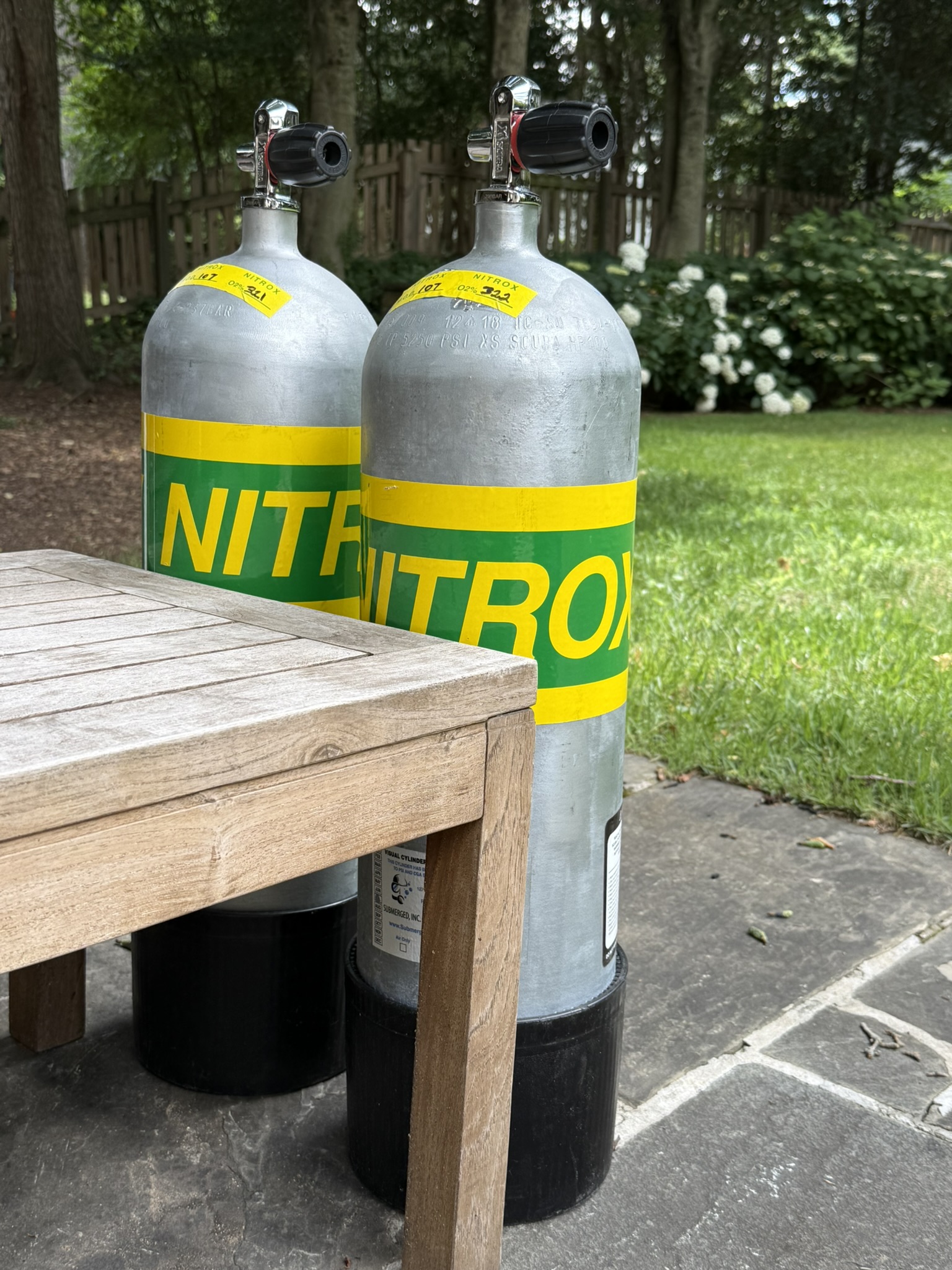
Set turn, ascent, and abort pressures on the surface, every dive, even dive four. Say the numbers to the team out loud, because once they're spoken, breaking them requires a reason and not a mood. Treat the 500 psi at the exit as the margin we protect precisely because we don't yet know what we'll need it for. When "one more thing" shows up underwater, someone calls it — next-dive item, signal, turn, ascend — and that call isn't authority, it's being the voice of the plan the team already agreed to.
Brief every dive of the trip. Same site, same team, same gas — the plan we had yesterday is not the plan we have today. Accept that on day one we're still forming, no matter how experienced everyone is. Anyone on the team can call a turn, an ascent, or an abort, and the team backs the call. Underneath all of it is capacity: simplify, consolidate, practice until the routine is automatic, and change one thing at a time. Capacity built before the dive is capacity available during the dive when something changes.
And underneath that is the culture. A just-culture debrief looks at the pressure to break the plan, not just whether the plan was broken. Where did the pull to stay come from? Was it new information, or was it enthusiasm, sunk cost, or someone's ego? Psychological safety is what lets any of that get said out loud. A "next-dive" call, a "let's turn now," an "I wasn't comfortable on that dive" — none of these should cost anyone social standing in the team, because if they do, the plan will lose to the pressure every time.
One last thought
The specifics of this piece are diving — cylinders, turn pressure, the boat — but nothing in the frame is diving-only. Anyone who has managed a long drive, a surgical team, a cockpit, a fireground, or a family on a long day will recognize the same pattern. We already know how to do this; we do it every time we plan a road trip or a paycheck. The dive doesn't ask us to learn a new skill. It asks us to bring the ones we already have, with enough capacity to actually use them and enough culture to make it safe to speak up when we need to. True on day one of a trip. More true on day three.