

It Won’t Be Me: Why the Numbers Don’t Change How We Dive
Every packet of cigarettes sold in the UK carries a warning, and most of them now carry a picture designed to turn your stomach. A smoker sees that warning twenty times a day, and very few of them doubt the numbers behind it, yet they keep smoking. It isn’t because they are stupid, or because they haven’t understood the message. It is because the warning is about smokers, and the person holding the packet is thinking about themselves. Will I be the one?
That question is at the centre of a chapter by Jens Zinn, a sociologist at the University of Melbourne, in a new book called Rethinking Risk Communication. It is also at the centre of a problem I have known about for years and have been trying to solve, one that ties in with the work of Gerd Gigerenzer. Why do the numbers we share about diving incidents change so little about how people actually dive?
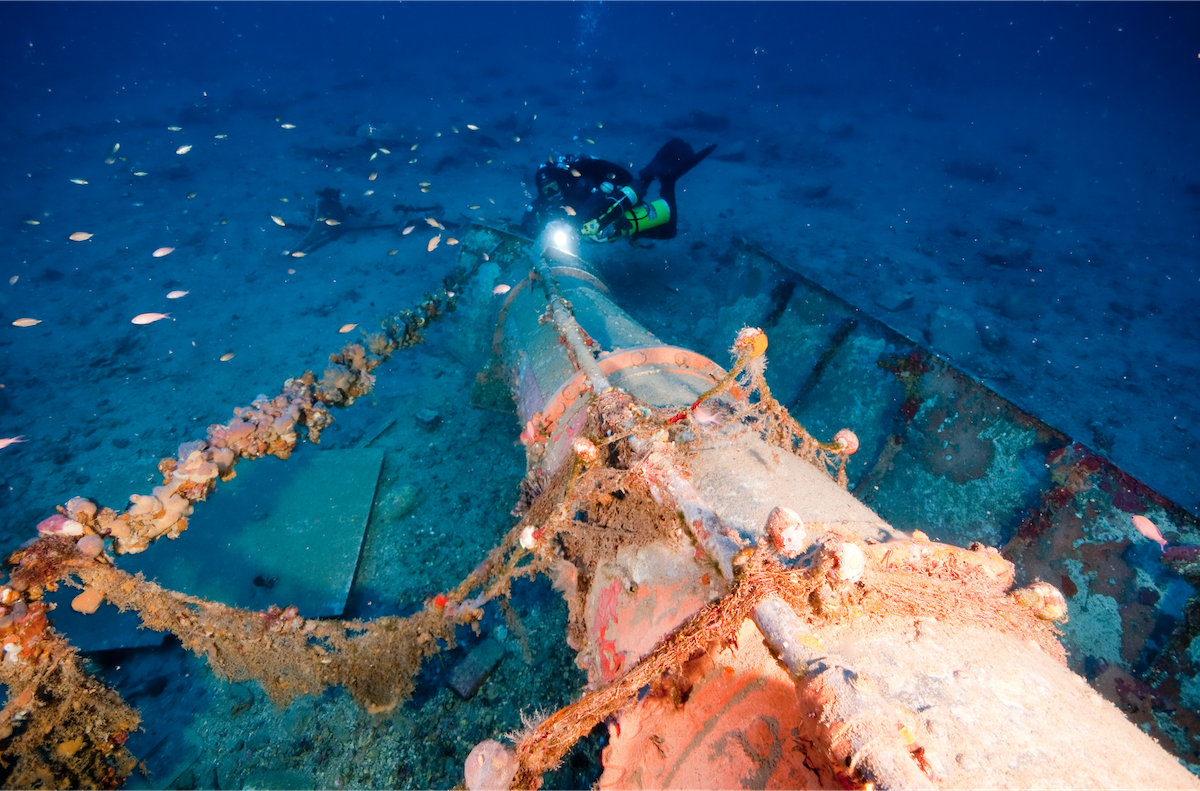
A photo from Malta
I often start presentations with a photo. It was taken by a diver who had spent a week in Malta doing advanced trimix diving, with a number of dives to 65 and 70 metres. It shows the torpedo tube on the side of a Schnellboot, a fast patrol boat, lying in about 63 metres, and it was taken just before the pair left the bottom. They ascended, did their decompression, and got back on the boat.
As the photographer took off his kit, he started to get visual disturbances, a bit like the aura that comes with a migraine. He had no history of migraine or aura. After about twenty minutes it disappeared, and there were no other signs or symptoms of decompression sickness. No tingling, no joint pain, nothing else.
About half an hour later they reached the quayside in Valletta and started unloading. Peak bubbling tends to happen around thirty minutes after surfacing, so this was, of course, when the hardest physical work of the day began. Cylinders came off the RIB, and twinsets went onto the back of a flatbed truck. As the diver lifted his twinset, the visual disturbances came back, much more strongly this time. He said to himself, ‘I think I’ve got a PFO.’
He didn’t say anything to anyone in the team. His girlfriend was out there on holiday with them, his best mate was one of the divers, and they were all flying home the following day. Saying ‘I think I’ve been bent’ would scare his girlfriend, would probably put him in a chamber, and would mean nobody was getting on that flight. So he kept quiet. About an hour later the symptoms cleared, and they flew home the next day as planned. Some time later, in conversation with a surgeon in Bristol, he found out he had a PFO measuring 8 mm by 12 mm.
That diver was me.
When I tell this story to an audience, I’m sure quite a few of them are thinking ‘what an idiot’. Why didn’t he say something? But I wasn’t short of information. I knew enough about decompression to recognise what might be happening, and I had a fair idea why. I was really lucky, and the decisions I made on that quayside were what people would call risk-based decisions. In reality they were a wet finger in the air, because there was no number I could weigh against what was right in front of me.
Three ways of making sense of risk
Zinn describes three different ways that people make sense of risk, and he makes it clear that all three are in play at the same time.
Calculating. This is the world of decompression models, gas rules, standards, and the incident statistics in the BSAC and DAN reports. Calculating rests on evidence that other people can independently test and check, which is why we trust it, but it describes populations, and the diver kitting up on the back of the boat is one person, with one plan, on one day.
Imagining. This covers our hopes, our fears, and the stories we tell about the future. It includes the kind of diver I think I am, and my picture of what an accident looks like and who it happens to. On the quayside in Valletta, what I was imagining wasn’t a statistic. It was my girlfriend’s face if I told her I’d been bent, a chamber instead of a flight home, and a holiday ending badly for everyone. Those pictures were vivid and immediate, while the chance of something worse stayed abstract.
Experiencing. This is the felt sense of a situation, the part of us that responds before we start to think. Zinn draws on the German philosopher Hermann Schmitz, who argued that our bodies pick up the mood of a situation before any conscious reasoning starts, and that this first response frames what follows. Daniel Kahneman made a similar point: by the time the slow, careful part of our thinking gets involved, the fast, intuitive part has usually already made up its mind. With no tingling or pain, my body was telling me this probably wasn’t serious, and when the symptoms faded, that felt like confirmation.
For the number to change anything, Zinn argues, it has to cross the gap between ‘divers’ and ‘me’. He calls this subjectivation, which is an ugly word for a simple idea. If the crossing doesn’t happen, the risk stays abstract, and abstract risks are very easy to put to one side. Another term for this is distancing through differencing – I am different to that diver, so it won’t happen to me.
Getting away with it is not the same as getting it right
There was something in the chapter I found particularly useful for diving – it was about habits. Zinn talks about the set of habits and heuristics we build up over a lifetime. Experiences that repeat over and over become part of the way we operate without thinking. They stop being reasons we could explain to someone else and start being feelings, intuition and trust.
Think about what that meant for me in Malta. My previous dives weren’t stored as data – they were stored as a feeling that this was normal and fine. On the day I got bent, the feeling of normal arrived first, and any calculation I might have done on the quayside had to argue against loads of previously successful dives, even at that depth and with those profiles. That is not an argument the numbers usually win, especially when you’ve got something inside you that you don’t know about.
We have talked about normalisation of deviance in many blogs, including the recent one on egos writing cheques that bodies can’t cash. Zinn’s work helps explain why it is so hard to see from the inside. Nobody decides to accept more risk. The experience of getting away with it quietly becomes the new reference point. Research by Robin Dillon and Catherine Tinsley shows the same thing with near misses: people tend to read a near miss as a success, and it makes them more willing to take the same risk next time, not less. The boundary moves, not because anyone learned anything, but because nothing went wrong. I didn’t have multiple near misses. I had lots of dives that my body had filed under ‘fine’, and an hour of symptoms that cleared up on their own went into the same file.
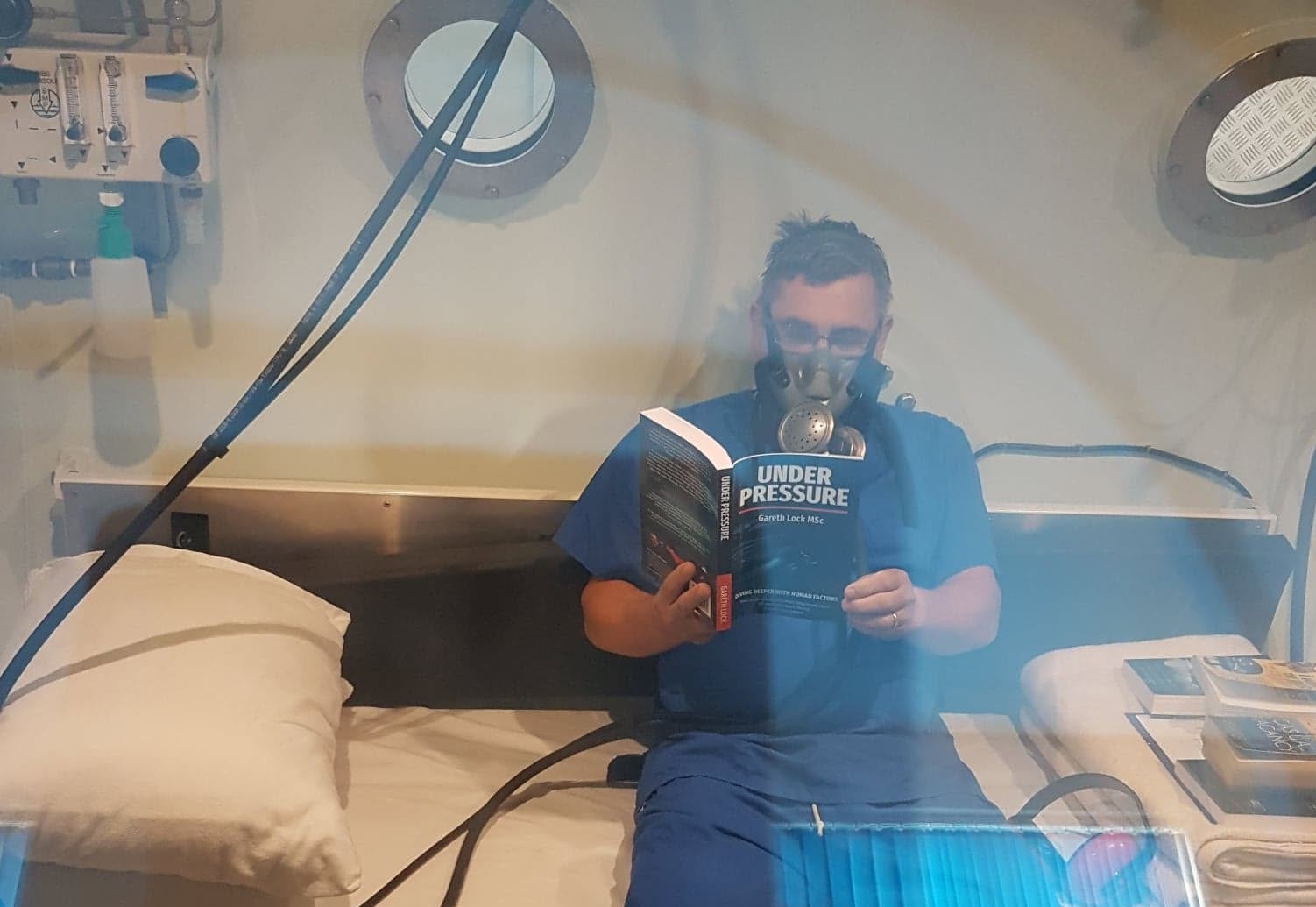
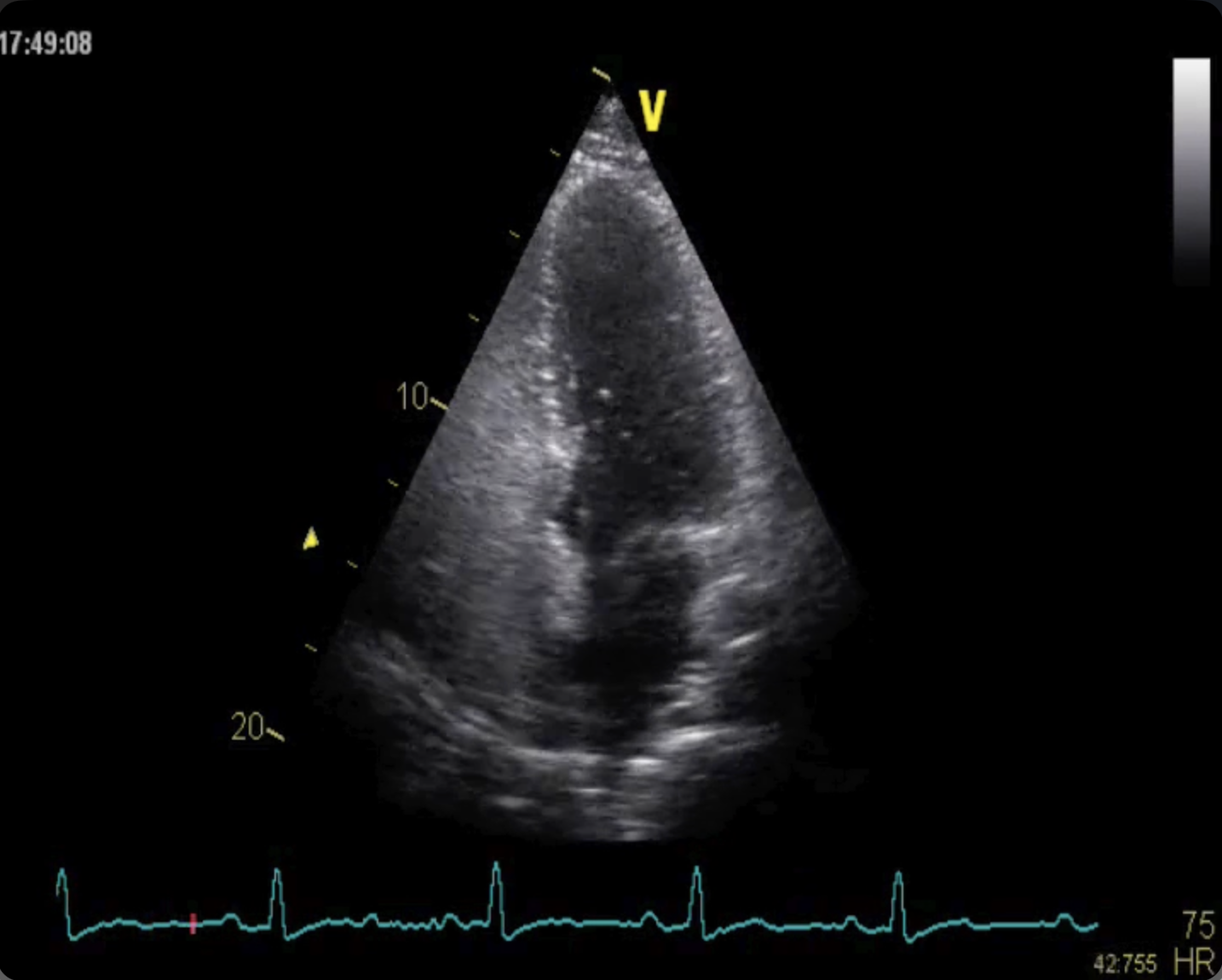
Interestingly, about five years later, I woke up at 04:30 on a liveaboard with a tingling hand after a ‘simple’ dive to about 30 metres on 32% the day before. I took some ibuprofen and went back to bed. Fifteen minutes later I realised how stupid I was being. I called the emergency chamber line in the UK, talked to the doctor on call, and then presented to the chamber when the doctor there arrived. I was treated on a Table 6.
Why accident reports don’t land
Zinn argues that when a risk stays abstract, it is easy to swap it for an explanation that feels better. If you haven’t experienced something yourself, it is much easier to believe that it happens to a different kind of person.
Most incident reports in diving arrive in exactly the form that makes this easy. They are usually short, they focus on the last person to touch it, and they often end with a verdict like “exceeded their training”, “poor gas management” or “failed to complete decompression”. Each time, the reader is left to fill in the gaps, and the easiest way to fill them is with an imagined diver who was less careful, less skilled and less sensible than you. The calculation says this could happen to YOU. The story you tell yourself says it happened to someone else. The story usually wins.
The ‘what an idiot’ reaction to my Malta story is the same move. Strip out the girlfriend, the flight home and the twinset going onto the truck, and all that is left is a diver who ignored his symptoms. Put them back in, and most people can see themselves making the same call. A report with the context removed gives the reader nothing to connect to, so the lesson slides off.
When the three line up
Zinn’s main example of risk communication that worked is New Zealand’s early response to COVID-19. The government put scientific evidence inside a shared story, ‘the team of five million’, and its leadership style connected with how people were actually feeling day to day. Zinn’s point is that it was the fit between evidence, story and experience that made the difference, and that none of them would have been enough on its own.
When they come apart, a story can drift into myth. “I’ve done this dive a hundred times” feels like evidence, but it is really a story about who I am, and it doesn’t update until something goes wrong.
You can see what alignment looks like in a good dive team. A team that says “we debrief every dive” has a shared story about who they are. If they actually do it, the debrief turns their experience into something they can examine and compare with what they know. If that conversation also draws on some evidence, the numbers stop being something presented at the team and become part of how the team talks about its own diving.
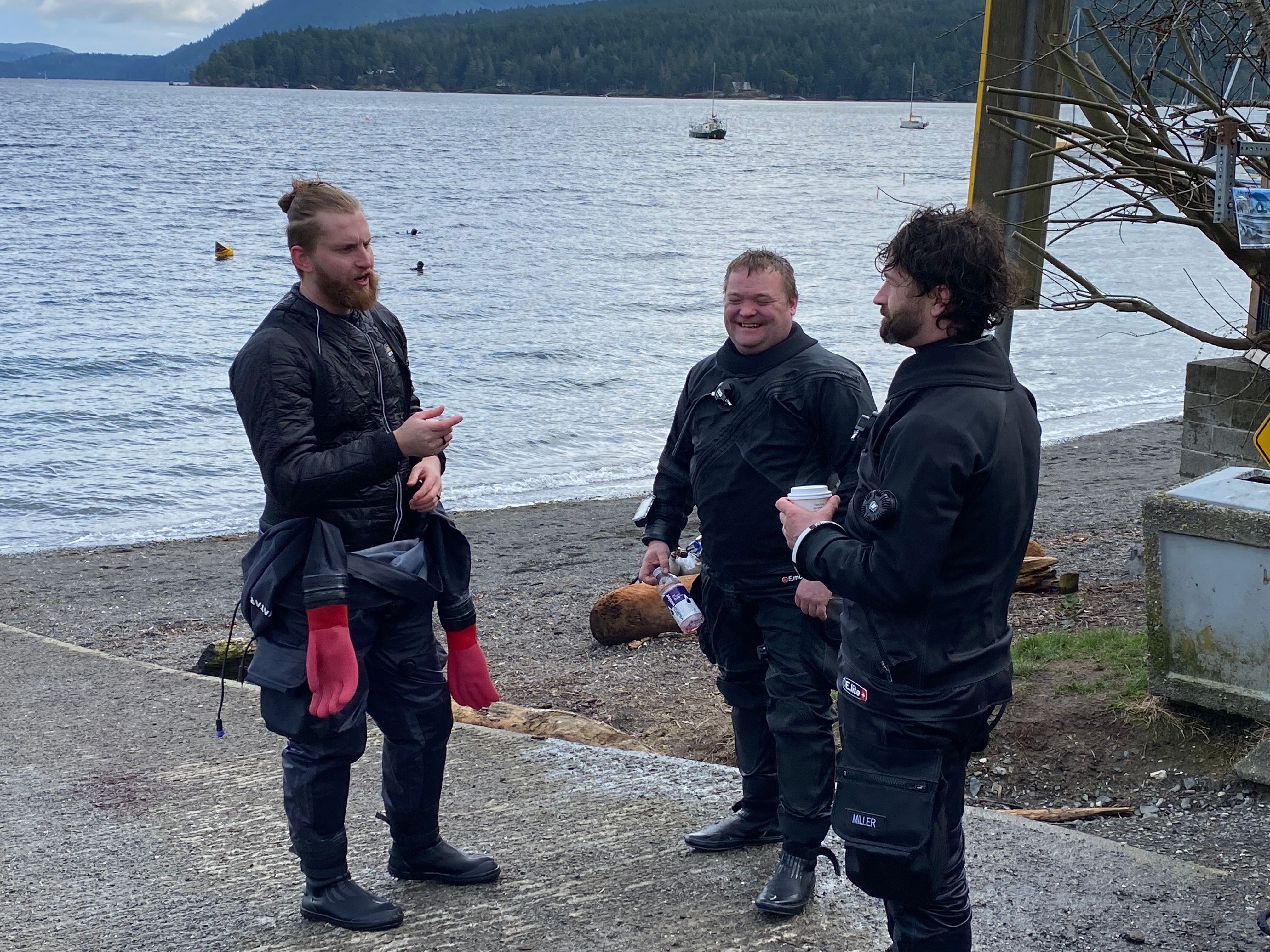
Stories, trust, and who is doing the talking
When I researched storytelling for my MSc at Lund, this was the pattern I kept seeing. Divers learn a huge amount from other divers’ stories, because a good story lets you stand inside someone else’s decision, and for a moment the risk is about you.
The same research showed something about trust. Divers rated their fear of being judged by peers as fairly low, around 2 to 3 out of 7. Their fear of being judged by organisations was much higher, at 5.6. Zinn makes a related point: how people receive a risk message depends on their past experience of whoever is sending it. If divers expect organisations to judge rather than learn, their messages will be heard through that expectation, however good the evidence is.
What this means for the rest of us
None of this means we throw the numbers away. Zinn is clear that evidence is essential, and that stories which drift away from it become unreliable.
If you are an instructor, pair the numbers with situations. Instead of telling students how often gas problems show up in fatalities, describe a dive where the gas plan made sense at the start and then quietly stopped making sense, and ask them where they would have noticed.
If you share incident stories, keep the context in. Tell people what the diver could see and feel at the time, and why the decision made sense to them then. This is local rationality, and it is at the core of Learning from Emergent Outcomes.
If you lead a team, use the debrief to question what felt normal. Ask whether it should have, and when a dive goes well, ask the question I keep coming back to: were we lucky, or were we good? If the answer is good, what did we do that we could point to and repeat?
If you write safety messages for an agency or training organisation, think about how they will be heard by divers who don’t expect to be treated fairly when things go wrong.
The reflection for you
The next time you read an incident report and catch yourself thinking “I wouldn’t have done that”, stop for a moment. Ask what the diver could feel at the time that isn’t in the report. Then ask a harder question. If one of your own recent dives was written up in three lines by someone who wasn’t there, would you recognise yourself in it, and would you want to?
References/Resources
Zinn, J.O. (2027). Epistemological considerations for a societal theory of risk communication. In J.O. Zinn (Ed.), Rethinking Risk Communication (pp. 19–50). Palgrave Macmillan / Springer. doi:10.1007/978-981-92-5082-0_2
Dillon, R.L. & Tinsley, C.H. (2008). How near-misses influence decision making under risk: a missed opportunity for learning. Management Science, 54(8), 1425–1440.
Kahneman, D. (2011). Thinking, Fast and Slow. Farrar, Straus and Giroux.
Gigerenzer, G. (2014). Risk Savvy: How to Make Good Decisions. Allen Lane.


