7. Metabolising Experience: How Experience Becomes Learning
Metabolising Experience: How Experience Becomes Learning
Think of one of your own experiences, preferably a diving-related one, that taught you something important. Not something that is still raw. Just let an experience come to mind and remember it for a moment. Now allow a little bit of space for how you got from the experience itself to the thing that you learned from it, the way it changed you: your behaviour, beliefs, decisions, or approach to diving.
This is what we're looking at here: how we go from things happening to us, our experience and reactions, through making sense and meaning, towards extracting something useful that helps us adapt.
Most of us can think of experiences in diving that have shaped us in some way. Sometimes they are positive experiences. Sometimes they are mistakes. Sometimes they are uncomfortable, frightening, or humbling moments that taught us something important. Yet if those experiences have been processed, we are usually able to think about them now without becoming overwhelmed by them. We can talk about them, reflect on them, and use them. In many cases, they become some of the most valuable lessons we have.
So how does that happen?
How do we go from an experience itself to the thing that we learned from it? How does an event become a lesson?
One of the brain's jobs is to take in information from the world and then use it to function, adapt, and behave effectively in our lives. Throughout life, probably from before we're even born, the brain is constantly taking in information through the senses. Sight, hearing, smell, taste. Touch, heat, cold, pain. We have baroreceptors detecting pressure. We have proprioception, our sense of where our body is in space. Which is quite important in diving: it stops us kicking people and bouncing off the bottom.
Our brain perceives the incoming information. Perception and initial interpretation can trigger waves of energy that we experience as emotions: fear, anger, relief, excitement, curiosity. They can also trigger electrical and chemical signals to act, to move, to speak, and to respond. Processing the experience involves completing those actions and allowing those waves through as the information moves into memory. There is information arriving all the time, and the brain's job is to filter it, sort it, process it, and store it in memory for future use.
When processing works well, experiences become integrated. Experience becomes learning, learning is behaviour change, and change becomes part of who we are.
Think back to the example you started with. You can probably recall it now, use it, without reliving it emotionally. You may remember what happened, remember what you learned, and remember how it influenced you, without feeling as though you are back there again. That is because we metabolise experience. We extract the useful information, let go of what we do not need, and integrate the experience into who we are and how we function.
The Block-Builder Game
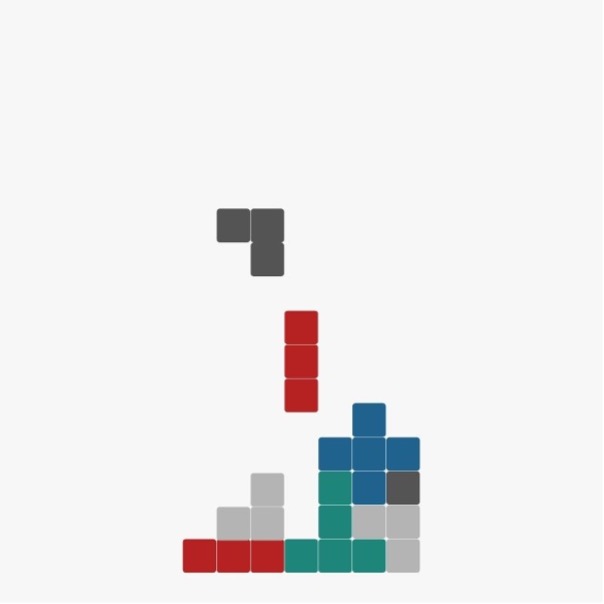
Think of a block-builder game, like Tetris.
Imagine all these blocks constantly falling down, like incoming information. The task is to sort them, turn them, and fit them into the right places. Once they fit properly, they disappear and turn into something useful. That's essentially what the brain is trying to do with incoming experience. It is trying to integrate information into our adaptive memory networks.
Most of the time, this process happens without us really noticing it. Experiences arrive, the brain sorts them, processes them, and stores them for future use. The lessons remain available when we need them, yet the experience itself no longer demands our attention. In a sense, the blocks have been fitted into place and the game has moved on.
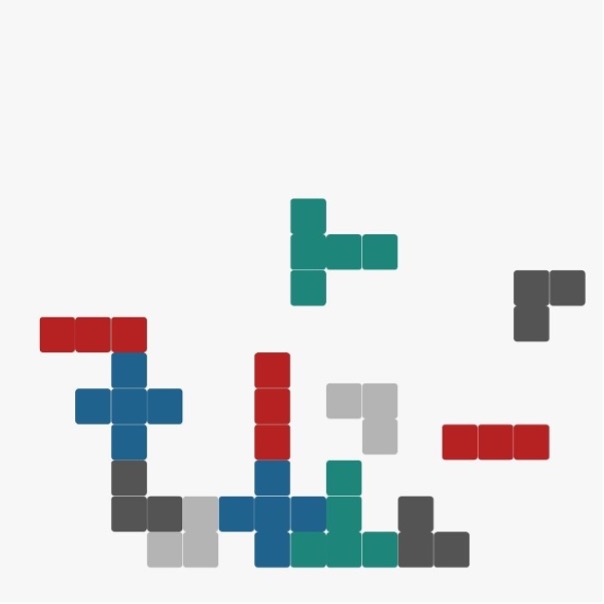
But that's not always the case.
Sometimes what is happening is just too much, or it is too awful. It’s traumatic. When that happens, the brain is no longer in its usual mode of sorting, filtering, and processing information. Instead, it switches into survival mode. The person becomes very focused on whatever they need to do to get out of that situation. They are no longer thinking with the front of the brain, the part that can hold complexity and balance decisions. The primitive survival parts have taken over. It becomes automatic, instinct-based, fight or flight.
Psychological trauma is not only about what happens to us. It is more complex than that. A useful way to think about it is that on one side there is what is happening to us, and on the other side there is our ability to cope with it. When our ability to cope is bigger than what is happening to us, even if what is happening is actually pretty bad, we are often able to process it. But if what is happening exceeds our ability to cope, the nervous system escalates. Fight or flight can give way to fright, flag, and flop: a state of complete powerlessness. It is so awful that no one who has been there ever wants to feel it again.
And, in a sense, the brain agrees … and it hits the pause button.
When the Brain Hits Pause

All that information from the senses, the unfinished actions, and the emotions are sort of paused. Yet the rest of the brain is not paused. It still wants to make sense of the situation. It still wants to understand what happened and why. The difficulty is that it is now trying to do that without the data.
There is a void between knowing and not knowing.
The brain starts running a status check. What does this experience mean? What does it mean about me? Am I safe? Am I in control? Am I to blame? Am I enough? The mind starts scrambling for explanations so that we can reassure ourselves that we are safe. At the same time, a number of biases influence how we interpret what happened. Negativity bias is leaning towards thinking the worst. Hindsight bias sells us an initially comforting illusion that we did have control. Attribution bias drives pressure to find an explanation. Fundamental attribution error points us towards placing blame in a person.
The mind can end up looping between these different explanations. The brain keeps searching for an answer that restores certainty, safety, and understanding and continues to bump up against painful ones instead. The incoming information does not fit the preferred view of self as safe, free, competent, and enough. There is resistance, and an answer cannot be reached.
The experience has not yet been integrated.
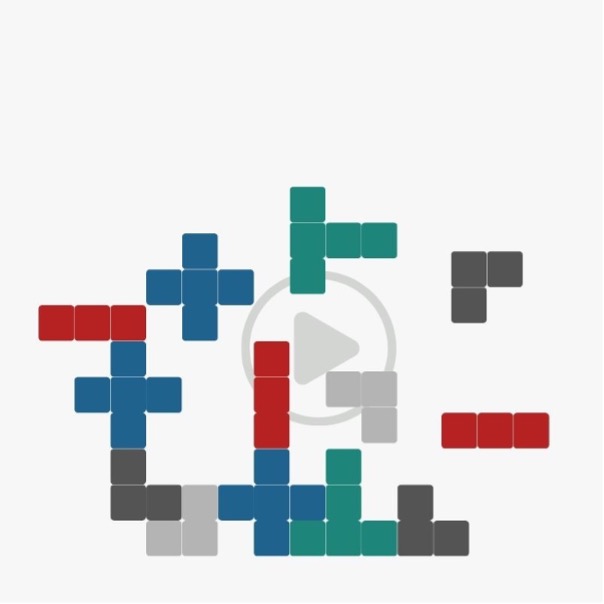
The game is still there. The blocks have not been sorted. They have not been fitted into place. They have not disappeared and turned into something useful. Every time you think about coming back to it, it feels like it is all going to pile up. It is going to be too much. You are not going to be able to cope with it. So you do not go back to it.
And that is where we start avoiding.
We avoid places, conversations, thoughts, feelings, memories, and situations. We put up barriers to fear, guilt, and shame. Yet those barriers also prevent us from seeing the useful information in the experience, because it is stored alongside all the distress and we cannot easily look at one without encountering the other.
Why Does This Matter in Diving?
This matters because unprocessed experiences do not simply disappear.
Sometimes they sit quietly in the background. A diver may continue diving, continue working, and continue functioning, while still carrying around material that has never been fully processed. The game may be paused rather than abandoned. Yet the unfinished material is still there, and it can continue influencing how people think, feel, and behave.
In diving, that can show up in lots of different ways. For some people it becomes avoidance and feeling unable to do certain things. For others it becomes over-analysis, repeatedly trying to think their way out of something that has not emotionally processed. For others it becomes control, rigidity, difficulty taking in new information, or getting stuck in very fixed ways of doing things. Unprocessed trauma can quietly influence many of the human factors we are already used to thinking about in diving: communication, teamwork, awareness, decision-making, and performance. Unprocessed trauma becomes an additional source of stress within the system. It may affect how we respond to challenges, how we interpret situations, and how we interact with other people.
There are multiple ways one trauma can lead to another. One of them is panic. If somebody is carrying unprocessed material connected to certain sensations, situations, or triggers that they may encounter in diving, then that material can sometimes be reactivated. Depending on what happened, there will be particular triggers that connect with the original experience: a sensation, a word or phrase, a particular dive site, low visibility, darkness, depth … When something connects with the unprocessed trauma, it is not simply a memory being recalled. It’s reliving. The unfinished game starts again. The person is pushed into the past, the nervous system responds as though the danger is happening now rather than then, and their ability to regulate thoughts, emotions, attention, and behaviour can be disrupted very quickly. The person is pushed into panic.
Finally, when the useful information from an experience remains tangled up with fear, guilt, shame, uncertainty, and distress, we lose access to some of the learning that experience has to offer.
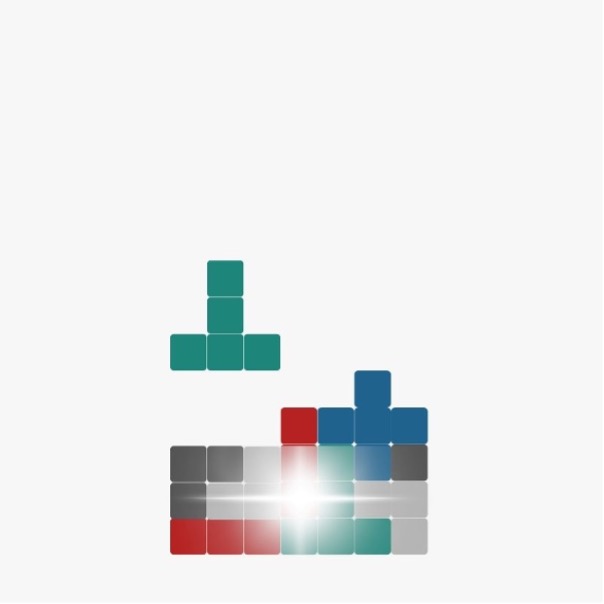
Helping people metabolise experience matters. Not only because it may reduce suffering, but because it helps people recover the lessons that difficult experiences still have to teach and prevent future trauma. By building Human Factors into diving, we create a better context for divers to process what happens to them, learn from difficult experiences, and avoid getting stuck for too long.
A Final Reflection
This article focuses on just one strand of a much larger talk. The presentation covered trauma, memory, panic, human factors, and the process of metabolising experience. If you would like to explore those ideas in more depth, you can download the accompanying download: https://www.fittodive.org/products/digital_downloads/metabolising-experience-scuba-diving
Interestingly, some of the most thought-provoking discussions happened after the talk had finished.
There were topics I deliberately stopped short of covering: acceptance and awe. Both are deeply relevant to how we metabolise experience, and both can be difficult to discuss alongside trauma without risking painful misunderstanding. But although I left them out of the talk, the concepts were there – brought from the other talks, audience questions and the experiences of the people at the conference. I wanted to capture just a little of that, and reflected on trauma, awe and acceptance here https://blog.fittodive.org/2026/06/22/reflecting-on-the-talk-about-trauma-and-stress-in-diving/.
Divers coming together created space for people to explore the edges of an idea together, to make connections and share experiences. The conversations went far deeper than any of the talks – and none of that was recorded!
I hope you'll join us for those conversations at the Human Factors in Diving Conference in 2027.