The Hidden Cost of "Never Show Weakness": Why Hiding Instructor Errors Undermines Dive Safety
The Catalyst
During a recent instructor workshop, I witnessed a moment that exemplified an issue I've seen across decades of high-risk operations—from dive boats to military command.
An instructor candidate made a simple academic error while teaching. During the debrief, the instructor trainer offered this advice: "Don't reveal the error to your students. You'll lose credibility." No malice intended. Just decades of institutional culture speaking through one well-meaning professional.
The advice felt familiar. I had heard it before at various points over 30+ years of military service. Different uniforms, same script: A leader makes a mistake; the culture whispers "don't admit it; you'll look weak."
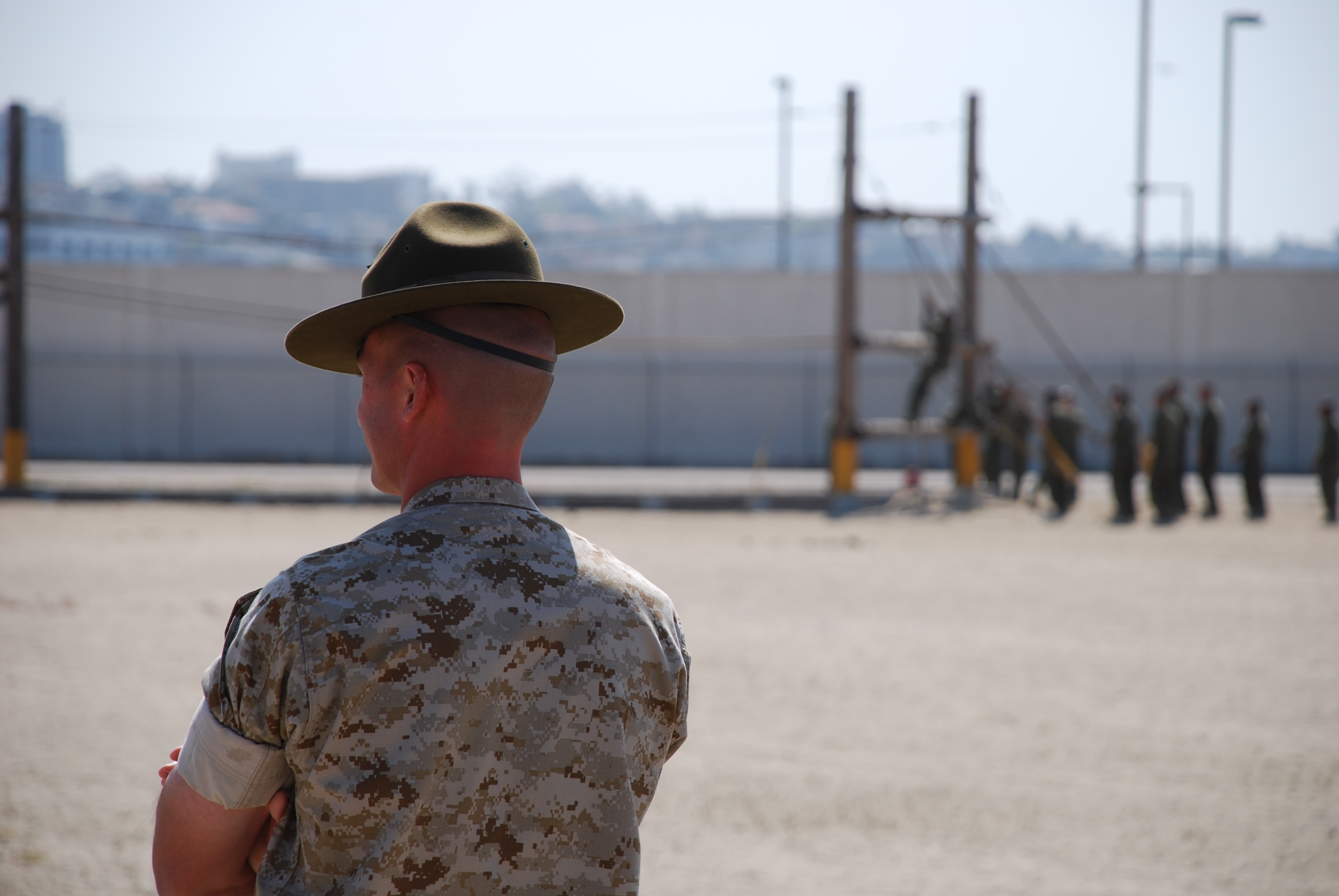
But I've learned something different over the years. Whether it was a lieutenant giving unclear navigation instructions or a senior officer correcting a detail mid-rehearsal, the leaders who openly acknowledged and fixed their mistakes built the strongest, safest teams.
We can do the same in diving.
Why This Matters
Yes, students leaving with incorrect information is dangerous. In diving, misunderstanding gas physics, decompression theory, or emergency procedures can turn minor incidents into fatalities. But that's just the surface problem.
The real damage occurs in what we're teaching through our behavior. When instructors hide mistakes, they teach a powerful lesson: "Errors equal weakness. Weakness equals failure. Therefore, hide your errors."
Early in my career, a junior officer issued ambiguous orders before a nighttime training movement. Instead of asking for clarification, he pressed on, afraid of looking inexperienced. The result: units moved in different directions, elements became separated, the objective was not reached on time, and the mission failed.
The pattern repeats itself underwater. Students learn questioning is unwelcome. New divemasters or instructors believe uncertainty is unprofessional. Experienced divers hide near-misses to protect reputation.
But here's the opportunity: we can break this cycle by modeling something better.
Psychological Safety: The Foundation of Excellence
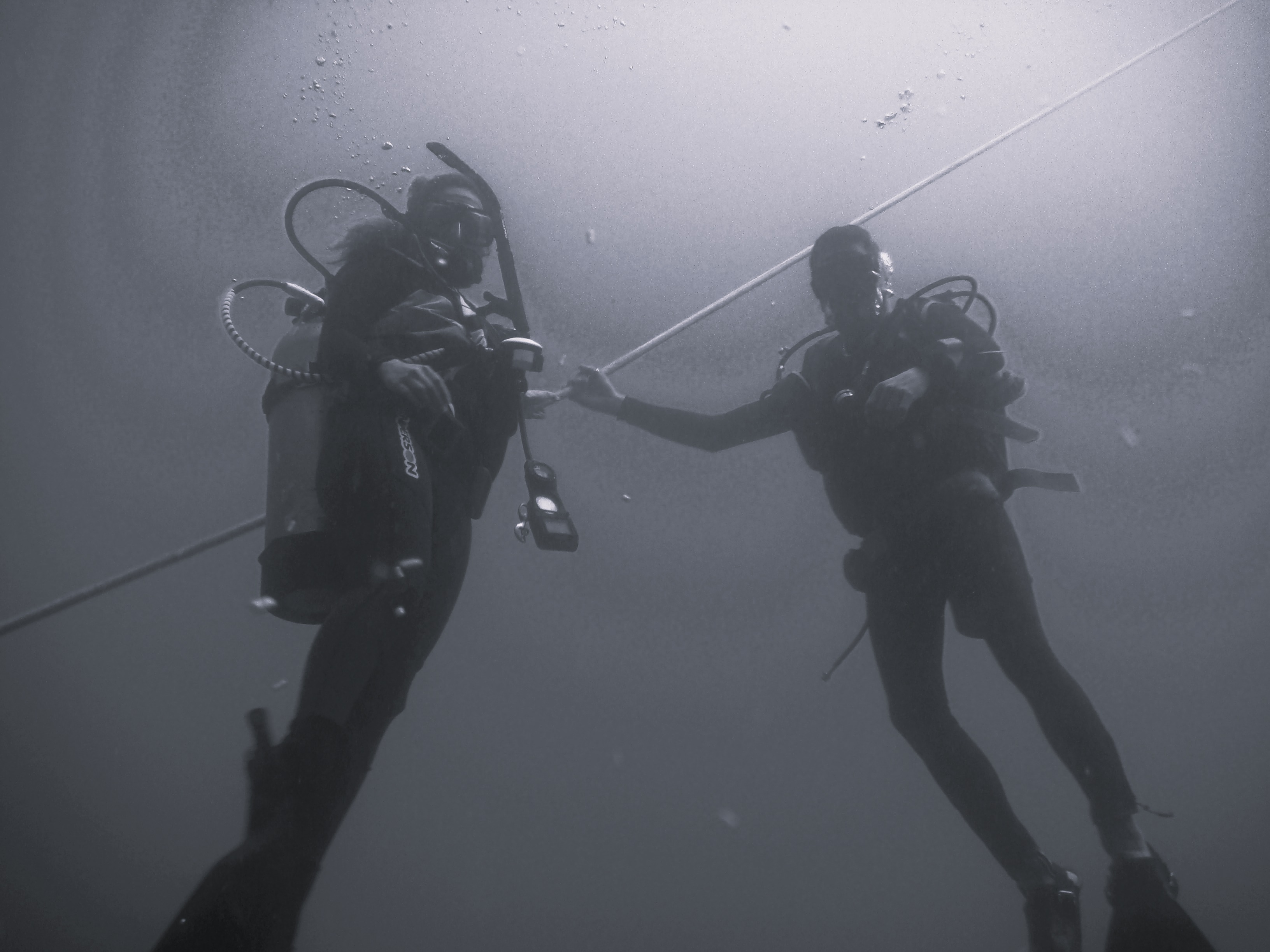
In safety, we often talk about ‘Psychological Safety’; a term popularized by Amy Edmondson and now broadly used by many. It means the cost of speaking up is lower than the cost of staying quiet. It is building and working in an environment where we able to admit mistakes without punishment, ask questions without ridicule, challenge procedures that seem unsafe, and report near-misses without blame. It's what separates teams that learn from teams that stagnate.
When leaders don’t talk about errors, we dismantle psychological safety. The unspoken rules become: protect your image above accuracy; authority matters more than learning; and confidence means never showing weakness.
The best leaders I served under made one expectation crystal clear: Anyone could raise a concern or point out a flaw, whether a brand-new private or a senior officer.
These units adapted quickly, executed cleanly, and improved constantly.
The best teams I’ve ever worked with… the ones who not only survived, but succeed in, the ‘most dangerous course of action’ or ‘worst case scenarios’… were the ones who surfaces problems while they were still manageable. This is true across military operations, healthcare, transportation, and it is certainly true in diving. Diving operates with life-support equipment in an unforgiving environment. Why would we expect to need anything less?
The Normalization of Deviance (and Risk)
In human factors, we talk about "normalization of deviance": the social acceptance around the gradual shifting of standards until dangerous practices become routine. Hiding errors is the gateway to this drift:
In human factors, we talk about "normalization of deviance": the social acceptance around the gradual shifting of standards until dangerous practices become routine. Hiding errors is the gateway to this drift:
Stage 1: Minor Deviation - "That explanation wasn't perfect but fixing it feels awkward."
Stage 2: Rationalization - "They got the general idea. Close enough." or "It's fine. We've done it this way before."
Stage 3: Repetition - The behavior becomes routine; other instructors copy it.
Stage 4: Cultural Embedding - New instructors assume this is the norm; this is how ‘professionals’ act.
Stage 5: Escalation - If small errors can be hidden, why not near-misses? Skipped procedures? Equipment issues?
Eventually, the gap widens between "work as imagined" (the standards) and "work as done" (reality). Incidents occur where everyone "sort of knew" something was wrong, but the culture prevented anyone from speaking up.
The good news? We can interrupt this at any stage by choosing transparency over image protection.

Reframing Credibility Through Vulnerability
It is understandable why this happens; no one wants to look like that don’t know what they are doing… especially if they are supposed to be the ‘expert’ or ‘in charge’: "If I admit error, I'll lose their confidence."
Three decades in uniform taught me the opposite; research has proven the same.
Every time I saw a leader, at any level, stop a brief or rehearsal to say, "That's my mistake; let's correct it before we move on,” respect for them increased, the organization learned faster, and operations were safer.
Consider two instructors:
Instructor A: Never acknowledge uncertainty. Deflects questions. Becomes defensive when challenged. Projects infallibility.
Instructor B: Says "Good question; let me verify that." Highlights when they've explained something poorly. Invites students to spot errors as a learning exercise.
Who would you trust more at 60 feet when something goes wrong?
Credibility isn't perfection. It's honesty under pressure.
Building A Just Culture: Field Strategies
The following four paragraphs will give you practical tools and strategies you can apply to your diving and your diving instruction to increase the learning culture within your dive operation.
Normalize Fallibility From Day One. Teach: "When (not if) you make a mistake, here's how to manage it professionally." Assume friction, expect error, learn rapidly.
Make Error-Catching a Skill. Turn catching mistakes into shared competency. "Who can spot the deliberate error in this dive plan?" Great military leaders teach: "If you see me miss a step, call it out. That's professionalism."
Lead with Vulnerability. In debriefs, go first: "I rushed that explanation; let me clarify it now." The most effective after-action reviews start with the senior leader owning their errors.
Focus on Systems, Not Blame. When errors occur, look at the processes, procedures, protocols, culture, checklists, etc. Ask questions like:
- Were procedures clear?
- Was the schedule compressed?
- Were expectations realistic?
- Did environmental factors contribute?
- What systems could prevent recurrence?
- What conditions led to this happening in the way it did?
This shifts from "Who screwed up?" to "How can we improve?"; the hallmark of a Just Culture. The best incident review never stops at "diver error” or “instructor failure.”
When we stop treating error as a character flaw, the culture on the dive shifts. Trust isn’t just a ‘buzzword’ anymore; it becomes the standard. Divers start thinking critically instead of just memorizing, and dive teams start catching small mistakes require rescue. In the military, I’ve seen units transform overnight when leaders stopped being ‘infallible’ and started being honest. We can do the same in diving.

Your Next Dive Brief
Culture change doesn't require grand gestures. It starts with your next interaction. Before your next class, dive briefing, or debrief, ask yourself: "If someone in this group spots something I've missed or done wrong, how easy have I made it for them to tell me?"
It's the same question leaders ask before any critical operation, and your answer reveals more about your operation's true safety culture than any policy manual ever could.
Because whether underwater or under fire, the most dangerous mistake isn't the one we make… it's the one we don’t discuss.
And the most powerful safety tool we have is the courage to be honest about our humanity.
--------------------
What's your experience with error culture in high-risk environments? How can we build stronger psychological safety in diving?