

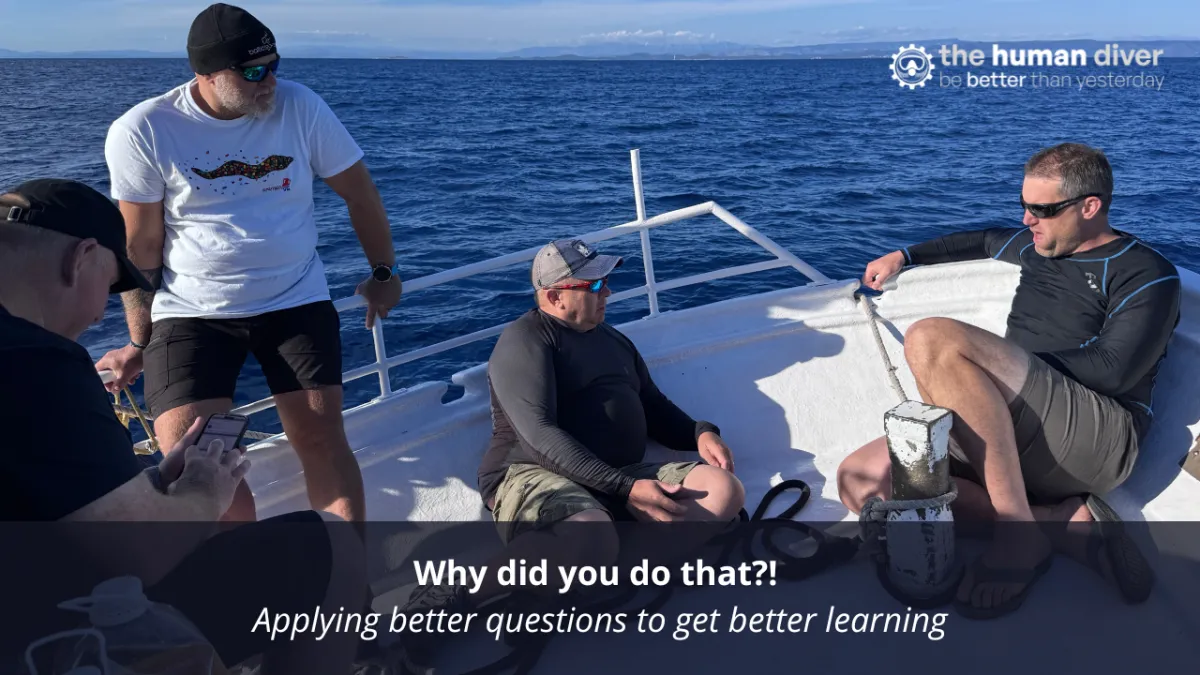
Why did you do that?! Applying better questions to get better learning
 by: Gareth LockPublished on: 18/09/2026
A healthcare safety investigator built 25 questions to understand why an action made sense at the time. Gareth Lock looks at what the Local Rationality Question tool offers dive debriefs, near-miss reviews and LFEO investigations.
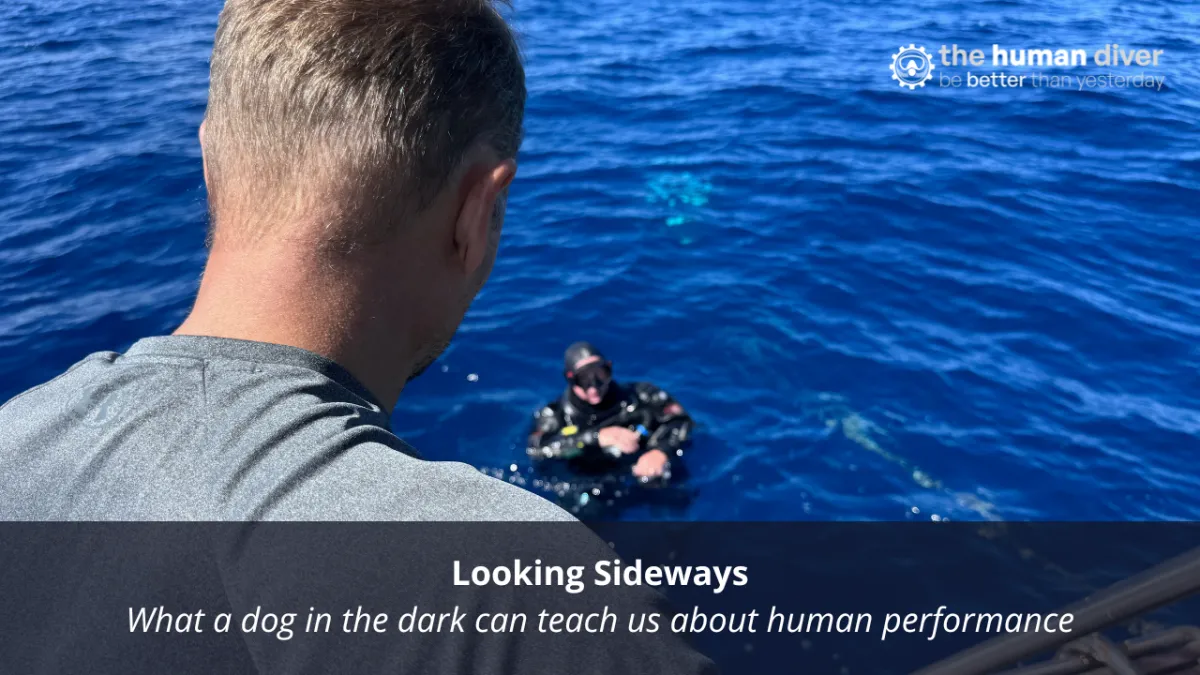
Looking Sideways What a dog in the dark can teach us about human performance
 by: Guy ShockeyPublished on: 12/09/2026
Averted vision lets us see faint stars by not staring at them. Guy Shockey argues diving works the same way. The visible error is rarely the explanation. Look sideways at what surrounded it, in failure and in success, and the system becomes visible.
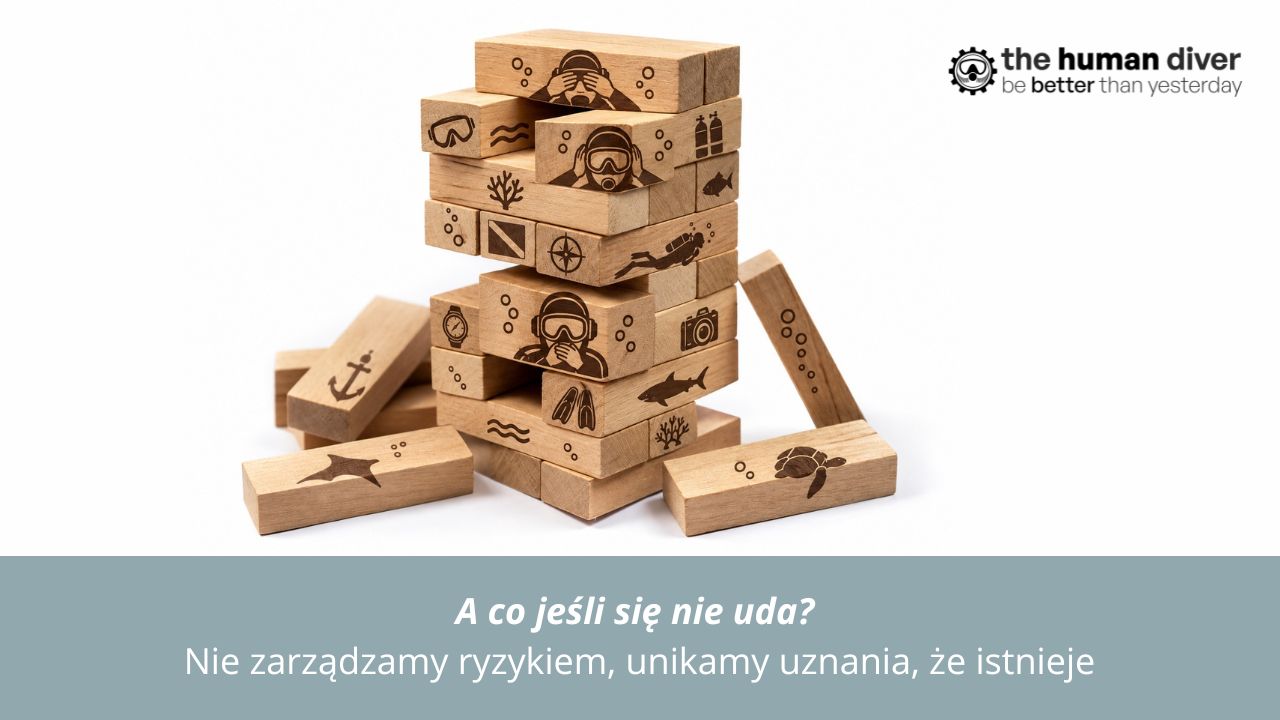
A co jeśli się nie uda?
 by: Andrzej GornickiPublished on: 09/09/2026
„Jakoś” teleportujemy się na brzeg, „jakoś” do komory, „jakoś” udzielimy pierwszej pomocy. O tym, czego nurkowie nie planują — i dlaczego tego nie robią.
Learning Review – Manta Lodge Missing Diver Incident
 by: Mike MasonPublished on: 05/09/2026
A Human Factors learning review of two divers lost at sea for almost 24 hours, exploring teamwork, drift diving, surface recovery and survival.
The humaN DIVER
Be better than yesterday.
Human factors, non-technical skills and learning from emergent outcomes for the divers who refuse the bad-apple story.
programmes
The humaN DIVER
© 2026 The Human Diver. All rights reserved.
Built for the 1%
Contact Menu
© 2026 The Human Diver